Category: Research & News

Latest medical research, studies, and healthcare news.

  • DropRX Investigation: Surgeon General Nominee and Supplements

    DropRX Investigation: Surgeon General Nominee and Supplements

    Questions about transparency have emerged around a surgeon general nominee who is a radiologist. The DropRX investigation has become a focal point in discussions about a supplement business linked to online promotions and manufacturing activity. Nicole Saphier is mentioned in these discussions as connected to the company, with reports noting that Amazon is examining the business. This article summarizes the topic in a neutral, informational way and outlines what is generally known about supplements and oversight.

    What the claims describe

    Public discussions describe a scenario in which a prominent medical professional is associated with a wellness company that markets supplements online. The situation centers on a brand called DropRX and its involvement in social media promotion and product creation. Reported information suggests that the company is under regulatory scrutiny by an e-commerce platform. The details that have circulated emphasize potential links between medical professionals, marketing of supplement products, and corporate structure. While the specifics vary by source, the core idea is a conversation about disclosure, conflicts of interest, and the boundaries of professional roles in commercial ventures.

    How dietary supplements are regulated (in general)

    Dietary supplements operate under a distinct regulatory framework that differs from prescription medicines. In the United States, manufacturers are responsible for ensuring product safety, accurate labeling, and truthful claims. Before a product can be sold, it does not require the same pre-market approval as a drug, which means businesses must rely on good manufacturing practices and post-market safety monitoring. Claims on packaging and marketing should not imply disease treatment or prevention unless supported by evidence. Consumers are encouraged to look for clear ingredient lists, transparent sourcing, and third-party quality assurances when evaluating supplement brands.

    Why this matters for public trust

    When a public figure connected to healthcare is involved in a supplement business, conversations often shift to questions about transparency and possible conflicts of interest. Trust in medical professionals can be influenced by how clearly ties to commerce are disclosed and how rigorously claims are substantiated. Even when no improper action is proven, the perception of overlap between clinical roles and business interests can affect how people interpret guidance about health products. Clear communication and independent oversight help maintain confidence in both medical roles and consumer markets for wellness items.

    What to watch for next

    In situations like this, it is common to monitor a few key developments. First, statements or updates from the regulatory bodies involved can clarify the status of any investigations or inquiries. Second, the company’s public disclosures about operations, ingredient sourcing, and manufacturing processes may address questions of transparency. Third, independent reviews or reporting from established outlets can provide additional context about safety, compliance, and marketing practices. For consumers, the takeaway is to seek reliable information, verify claims, and be aware of the evolving nature of regulatory scrutiny around wellness products.

    Key considerations for readers

    • Understand the difference between medical authority and business activity and how disclosures affect perception.
    • Note that dietary supplements are regulated differently from drugs and require careful evaluation of safety and labeling.
    • Look for credible sources when assessing claims about investigations or regulatory actions.
    • Be cautious about marketing claims that sound like medical endorsements or treatment guarantees.

    Key takeaways

    While details continue to emerge, the situation highlights the importance of transparency around professional roles and commercial ventures. Consumers should evaluate supplement products based on labeling, sourcing, and independent quality measures, and follow credible regulatory updates as they become available.

  • Naming medical specialist groups: clear patient terms

    Naming medical specialist groups: clear patient terms

    Understanding naming medical specialist groups matters for patients and staff. The way a hospital names its teams can influence navigation, referrals, and collaboration across care pathways. This article examines practical approaches to naming medical specialist groups and explains how terms evolve with care models and patient needs.

    Naming medical specialist groups: choosing headings that matter

    Names should reflect scope, audience, and function. Clinicians need precision, while patients often respond to clear, intuitive terms. When terms blur lines between departments, divisions, and units, coordination can suffer. Standardizing language reduces misdirection and helps with care handoffs, documentation, and even billing processes. In short, naming medical specialist groups should balance accuracy with accessibility.

    Common naming options

    • Department — broad, hospital-wide scope; often stable and well-known.
    • Division — aligns with specialties that report to a higher executive, useful for governance.
    • Service line — consumer-friendly term focusing on care pathways such as a “cardiology service line.”
    • Institute or Center — signals research and specialty excellence; may imply more specific focus.
    • Group or Consortium — emphasizes collaboration across sites or specialties.
    • Team — practical and patient-friendly for daily care teams, units, or rounds.

    Pros and cons of each approach

    Each naming option has trade-offs. For example, “department” is familiar to patients and staff, but it can feel impersonal or bureaucratic. “Institute” may raise prestige and attract research funding, though it can imply a narrower clinical focus. “Service line” offers patient-facing clarity about the care pathway, but may require more branding work and internal alignment across affiliated sites. “Team” is approachable for daily care, yet may lack the sense of breadth needed for hospital strategy. When choosing names, consider both internal operations and patient understanding.

    Practical guidelines for choosing names

    To decide on naming conventions, start with a clear map of scope: what services are included, who makes decisions, and how care flows between units. Involve both clinicians and patients or front-desk staff to gather perspectives. Maintain consistency across campuses and electronic records. Create a short glossary that defines each term and how it should be used in signage, consent forms, and communications.

    • Define scope and audience
    • Choose a primary naming template (department vs. service line)
    • Develop a glossary and usage rules
    • Pilot names in a single unit before rollout
    • Update related systems (EHR, signage, websites) accordingly

    Implementation tips and examples

    Below are example naming schemas to illustrate how different terms can be used in practice. You can adapt these templates to fit local needs and branding guidelines.

    • Cardiology Department
    • Neurology Division
    • Spine Service Line
    • Center for Digestive Health
    • Oncology Group
    • Intensive Care Team

    Key takeaways

    • Clear names help patients navigate care pathways
    • Consistency supports referrals, documentation, and branding
    • Balance accuracy, accessibility, and governance when choosing terms
    • Involve stakeholders and test names before wide rollout
    • Maintain a glossary to guide ongoing usage
  • Unusual Allergy Claims: A Practical Guide to Skepticism

    Unusual Allergy Claims: A Practical Guide to Skepticism

    Allergies can be serious, but online stories about strange allergy claims circulate widely. This guide explains how to approach unusual allergy claims with a clear, evidence-based mindset. It covers what allergy means, why odd stories pop up, how to separate science from rumor, and when to seek medical advice.

    What counts as an unusual allergy claim

    In medical terms, an allergy is an immune system reaction to a typically harmless substance, often involving specific antibodies and symptoms such as hives, swelling, itching, or breathing difficulties. Severe reactions, though rare, can be life-threatening. An unusual allergy claim is one that involves less common triggers, unexpected exposure routes, or unclear cause-and-effect links. It’s important to distinguish between true immune reactions and other conditions that can mimic allergies, such as intolerances or skin irritations.

    Some claims describe reactions to everyday items that surprise people, like fragrances, cosmetics, or processed foods. Others hinge on supposed cross-reactivity, where pollen or one food is said to trigger a reaction to another item. In these cases, careful evaluation is needed to confirm whether the reaction is truly immune-mediated or the result of another process, such as a non-allergic sensitivity, a chemical irritant, or a coincidence.

    How unusual allergy stories start online

    Online narratives often spread because personal experiences feel compelling and relatable. A single dramatic incident can be shared widely and reinterpreted by others who have similar concerns. The result is a chorus of anecdotes that may look convincing but aren’t automatically evidence of a medical truth.

    Several factors can amplify these stories: misattribution (linking a symptom to a suspect substance after the fact), confirmation bias (remembering hits and forgetting misses), and marketing influence (claims that pair with product pitches). When a story involves a sensational trigger, readers may gloss over important details like timing, exposure, and reproducibility. The risk is adopting a belief that isn’t supported by measured testing or clinical evaluation.

    Common myths about allergies

    Many unusual allergy claims are built on assumptions that aren’t universally true. For example, some people believe that any reaction to a food implies a classic IgE-mediated allergy, which isn’t always the case. Others think that avoiding every possible trigger is necessary, while in reality, most people do not have life-threatening allergies to every item they encounter. Misunderstandings also arise when people conflate food intolerance with an allergy, or when symptoms arise from non-immune causes like irritation or anxiety-related reactions.

    Health information online can be uneven in quality. Claims may omit important context, such as the person’s medical history, exposure patterns, and objective test results. A balanced view weighs the likelihood of a true allergy against alternative explanations, and it relies on information collected under medical guidance rather than scattered anecdotes.

    Medical tests and reliable diagnosis

    Diagnosing allergies typically involves a combination of history, physical examination, and tests conducted by health professionals. Skin prick tests and serum-specific IgE tests can help identify sensitization to particular substances, but results don’t always predict clinical reactions. In some cases, a clinician may recommend an oral food challenge under supervision to confirm whether a suspected food actually causes symptoms.

    Tests have limits. False positives can occur, especially if a person has recent illnesses, takes certain medications, or has skin conditions that affect results. Conversely, a negative test does not always guarantee that a reaction won’t occur in real life. Therefore, interpretation by a trained clinician is essential, and decisions about avoidance should be made in the context of the person’s history and test results.

    Practical steps to assess unusual allergy claims

    If you encounter an unusual allergy claim, consider these steps to assess it responsibly:

    • Check whether a clinician has performed objective testing and documented results.
    • Look for consistent, reproducible symptoms with clear exposure and timing.
    • Be cautious of ads or posts that rely on a single incident or lack medical review.
    • Seek information from credible sources, and ask for a clinician’s interpretation of any tests involved.

    Taking a structured approach helps separate credible concerns from speculation. It also supports safer decisions about exposure and avoidance, guided by professional advice rather than online anecdotes.

    When to seek professional help

    If you experience symptoms that could signal a true allergy, especially involving breathing, swelling of the face or tongue, or widespread hives, seek urgent medical attention. For ongoing concerns or uncertain reactions, schedule an appointment with an allergist or an immunologist. They can review your history, perform appropriate tests, and help you develop a safe plan for exposure, avoidance, or treatment if needed.

    Even milder symptoms warrant discussion with a clinician if they disrupt daily life or occur after exposure to common substances. A professional evaluation can provide clarity about which triggers to avoid, which foods or products are safe for you, and how to interpret test results in the context of your overall health.

    Key takeaways

    • Unusual allergy claims require careful validation by a clinician
    • True allergies involve immune-mediated reactions with objective signs
    • Self-diagnosis online can be misleading; seek professional evaluation
    • Consider exposure timing, repeatability, and reliability of the source

  • Acronyms in Medicine: Love Them, Hate Them, Use Clearly

    Acronyms in Medicine: Love Them, Hate Them, Use Clearly

    Acronyms in medicine can speed notes and orders, but they can also create confusion for patients, families, and teammates. This piece looks at which acronyms in medicine tend to help, which tend to hinder, and how teams can use them more clearly in everyday care.

    Why acronyms appear in medicine

    Acronyms arise in busy clinical settings to save time and space. They are reinforced by electronic health records, quick orders, and cross-disciplinary teams. When everyone shares the same shorthand, a routine note can be read fast; when meanings drift, the same shorthand can confuse.

    Acronyms clinicians love

    Some abbreviations are widely accepted and easy to understand across specialties. For example, ECG (electrocardiogram), MRI (magnetic resonance imaging), ICU (intensive care unit), BP (blood pressure), and BMI (body mass index) are commonly used in both notes and conversations. Because these terms have clear definitions and broad familiarity, they help speed communication and reduce long phrases in time-pressed settings.

    Acronyms clinicians hate

    Other shorthand can backfire, especially when it has multiple meanings or varies by department. For instance, PE can refer to a pulmonary embolism or physical examination, DNR can be misread or misapplied, and Sx is easy to overlook for new staff or patients. Ambiguity, inconsistency, or outdated abbreviations can raise the risk of miscommunication and patient distress.

    Using acronyms well in patient care

    Clear rules help teams use acronyms without confusing patients. The following practices can improve understanding and safety:

    • Spell out terms on first use with the acronym in parentheses (for example, hypertension [HTN]).
    • Prefer widely recognized abbreviations that are understood across departments.
    • Avoid in patient-facing materials unless a glossary is available.
    • Provide a quick internal glossary or cheat sheet for staff and trainees.
    • Encourage team members to ask for clarification when an acronym isn’t understood.

    When in doubt, spell it out

    If there is any chance of misunderstanding, spelling out the term or offering a brief definition is a simple, safe choice. Documentation and handoffs flow more smoothly when terms are explicit, even if it takes a moment longer in the moment.

    Key Takeaways

    • Acronyms save time but can confuse; balance speed with clarity.
    • Use standard abbreviations that are understood across teams.
    • Spell out terms for patients and families, or provide a glossary.
    • Keep a shared glossary to reduce variability and errors.
  • Seed oil panic and cardiac care: what patients should know

    Seed oil panic and cardiac care: what patients should know

    Seed oil panic has become a talking point in conversations about heart health. A recent STAT News piece highlighted concerns that fear over seed oils may be influencing care decisions for cardiac patients. This article reviews the topic in plain terms, explaining what seed oils are, what the panic claims, and what current medical guidance suggests about fats and heart risk. Many readers call this seed oil panic.

    What are seed oils?

    Seed oils are oils extracted from seeds such as sunflower, safflower, canola, corn, and soybean. They are common in cooking and processed foods because they are relatively inexpensive and have a long shelf life. These oils are rich in polyunsaturated fats, a category that includes omega-6 fats. In many kitchens and food products, seed oils provide a light flavor and help extend freshness. Processing methods can vary—from cold-press or expeller-pressed options to refined forms used in commercial foods—which can influence flavor, stability, and cooking performance.

    What the seed oil panic claims

    Some voices argue that seed oils contribute to inflammation and heart risk, often citing the high omega-6 content or the idea that oxidized fats promote vascular problems. Others suggest that changing dietary fat balance can influence disease risk, sometimes urging people to avoid seed oils altogether. In broad terms, these claims contrast with mainstream nutrition guidance that emphasizes overall dietary patterns and the importance of choosing fats that replace saturated fats rather than demonize any single oil. The science is nuanced, and simple conclusions about a specific oil rarely capture the full picture of heart health.

    How fats relate to heart health

    Fats play a key role in energy, nutrient absorption, and cell function. Unsaturated fats—both mono- and polyunsaturated types found in many vegetable oils, nuts, seeds, and fish—are generally favored in dietary guidance because they can support healthier blood lipid profiles when they replace saturated fats. However, the health impact of fats also depends on the broader diet, cooking methods, and overall lifestyle. Rather than focusing on a single ingredient, many guidelines emphasize a pattern that includes plenty of fruits, vegetables, whole grains, lean proteins, and moderate use of healthy fats.

    What this means for cardiac patients

    For individuals with heart disease or risk factors, the key takeaway is not to panic or pursue drastic, unsustainable dietary shifts. A balanced approach that favors unsaturated fats while limiting saturated fats—within the context of a healthy, varied diet—aligns with many general recommendations. It is also important to consider medication plans, physical activity, and other risk factors in consultation with a clinician. If recent news or online discussions raise concerns about a particular oil, discuss them with a healthcare provider to understand how dietary choices fit into your personal treatment plan.

    Practical steps to navigate fats

    To apply balanced thinking without overhauling your eating style, consider these considerations and discuss them with your clinician when appropriate. Focus on consistency, not perfection, and prioritize foods that support overall heart health.

    • Prioritize a dietary pattern rich in plant-based fats from a variety of sources, including nuts, seeds, and olive or canola oil, while limiting highly processed foods high in saturated fats and added sugars.
    • Read ingredient lists to understand where fats in processed foods come from and avoid extreme dietary changes without professional input.
    • Choose cooking methods that use fats sensibly, such as gentle sautéing or baking, to preserve nutrient quality without excessive heating.
    • Discuss any large dietary changes with your healthcare team, especially if you have heart disease, high cholesterol, or other risk factors.

    Key takeaways

    • Seed oil panic is a topic of debate in diet and heart health discussions.
    • Fats matter, but the best approach focuses on overall dietary patterns rather than a single oil.
    • Unsaturated fats are commonly encouraged to replace saturated fats in many dietary guidelines.
    • Discuss any major dietary changes with a clinician, especially if you have heart disease or risk factors.
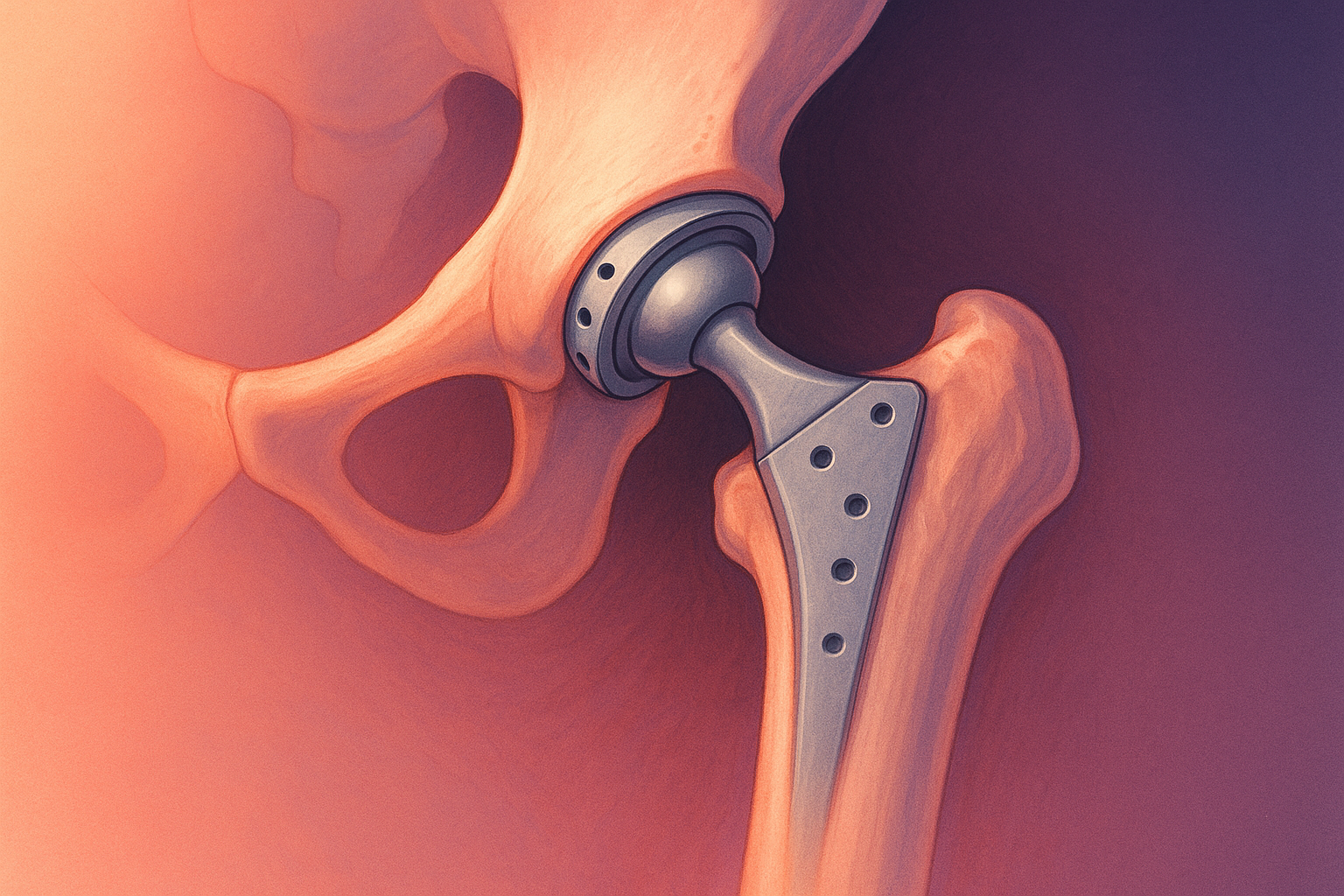
  • Case in the Media: CRPS after hip arthroplasty case

    Case in the Media: CRPS after hip arthroplasty case

    CRPS is a complex, often painful condition that can follow injuries or surgery. It involves abnormal sensory, autonomic, and motor responses and can persist for months or years. While most people recover with standard care, a small subset experiences persistent symptoms despite multiple treatments.

    What CRPS is and how it can develop after joint surgery

    CRPS typically presents with prolonged pain out of proportion to the initial injury, swelling, changes in skin color or temperature, and altered sweating or hair growth. After joint surgery such as hip arthroplasty, the risk is low but present, and early recognition matters for planning care. Management usually starts with physical therapy, medications, and interventional techniques aimed at reducing pain and preserving function.

    The case in context: a young adult after hip arthroplasty

    In this case, a 20-year-old patient who had a hip replacement developed persistent, regional pain and changes in the affected limb that did not respond to standard medical therapy or interventional procedures. Over time, symptoms persisted despite optimized pharmacologic management and targeted nerve blocks or other interventions. The clinical team evaluated a range of options, balancing the goal of pain relief with potential impacts on mobility, independence, and quality of life. The situation illustrates how CRPS can evolve into a challenging, multi-year course for some patients, even after successful initial surgery.

    TiTON and the role in extreme CRPS cases

    TiTON refers to a last-resort intervention used in rare, severe CRPS cases when conventional treatments fail to achieve meaningful relief or functional improvement. In this scenario, TiTON was selected after careful multidisciplinary review, with consideration of potential benefits versus risks. The decision-making process emphasized patient values, anticipated outcomes, and the goal of reducing suffering in the face of ongoing pain. While not common, such options underscore how clinicians approach extreme cases where standard care has been exhausted.

    Amputation as a last resort for CRPS

    Amputation is discussed in some extreme CRPS cases as a possible option when all other strategies fail to deliver adequate relief or preserve function. Such decisions are complex and require extensive counseling, risk assessment, and collaboration among surgeons, pain specialists, psychologists, and the patient. Rehabilitation and prosthetic planning after amputation are important components of care, as is ongoing support for emotional and physical wellbeing. The choice centers on balancing the patient’s goals, potential pain relief, and the likelihood of restoring some level of independence and daily functioning.

    What clinicians can learn from such cases

    Cases like this highlight the need for a careful, patient-centered approach to refractory CRPS after surgery. Key considerations include:

    • early multidisciplinary assessment involving pain, surgery, rehabilitation, and mental health specialists
    • regular re-evaluation of goals and treatments as symptoms evolve
    • transparent discussions about the risks and potential benefits of experimental options
    • clear documentation of patient preferences and informed consent
    • supportive care to address mood, sleep, and overall functioning

    Key Takeaways

    • CRPS after hip arthroplasty can present with persistent pain beyond typical recovery timelines.
    • Some cases may escalate to extreme interventions after careful deliberation.
    • A multidisciplinary, patient-centered approach helps guide difficult decisions.
    • Early recognition and ongoing reassessment are essential to care planning.
  • Public Health Leadership Credentials in outbreak response

    Public Health Leadership Credentials in outbreak response

    Recent online discussions have raised questions about who leads outbreak responses and the credentials backing their decisions. This article reviews why public health leadership credentials in hantavirus responses matter and what traits indicate a science-based approach. It keeps the focus on general principles rather than commenting on any specific person.

    What hantavirus is and how outbreak responses are typically organized

    Hantavirus refers to a group of diseases carried by rodents that can cause serious illness in humans. People may become infected through contact with rodent urine, droppings, saliva, or dust contaminated by rodent waste. In an outbreak, public health teams prioritize surveillance to detect cases early, risk communication to inform communities, source control to reduce exposure, and cross-agency coordination to implement guidance quickly and consistently.

    Why credentials matter in outbreak leadership

    Decisions during health emergencies benefit from formal training in epidemiology, biostatistics, outbreak investigation, and public health ethics. Credentials signal training and experience that support methodological rigor. Beyond degrees, effective leaders assemble diverse experts—from clinicians to laboratorians to logisticians—and create structures that reward data-driven decision making rather than politics or rumor.

    How credible decisions are made during outbreaks

    While each situation is unique, reputable responses share common elements. They rely on systematic data collection, transparent reporting of uncertainties, and well-reviewed guidelines. The process often includes rapid risk assessment, peer input, and iterative updates as new information becomes available. Strong leadership fosters trust by explaining why actions are taken and what remains uncertain.

    • Epidemiological analysis to identify who is affected and how transmission occurs
    • Timely, clear risk communication tailored to affected communities
    • Evidence-based guidelines developed by multidisciplinary experts
    • Independent review or advisory input to verify methods
    • Coordinated implementation across agencies to align messaging and resources

    Evaluating leadership and ensuring science-driven responses

    Observers can look for demonstrated engagement with data and openness to review. Credible leaders set measurable goals, publish progress where appropriate, and adjust strategies as evidence evolves. They also acknowledge limits, share data when possible, and avoid overreach that could undermine public trust or delay effective action.

    Key steps to strengthen outbreak responses

    Organizations can bolster science-based action by investing in training, building multidisciplinary teams, establishing transparent data pipelines, and creating independent review mechanisms. Regular drills and public reporting help prepare for real events and reduce delays between new findings and practice.

    Key takeaways

    • Public health leadership credentials help ensure decisions are evidence-based.
    • Outbreak responses rely on data, epidemiology, and coordinated action.
    • Transparency and peer input build trust and effectiveness.
    • Leadership should reflect diverse expertise and ethical considerations.
  • Surgeon Attrition: Mid-Career Losses in Surgery Trends

    Surgeon Attrition: Mid-Career Losses in Surgery Trends

    One striking finding in recent discussions about surgical careers is that nearly one in ten surgeons leave active clinical practice within eight years. This pattern appears most pronounced in certain specialties, and it tends to spike during mid-career. The following overview summarizes what the trend might mean for patients, departments, and the broader surgical workforce.

    What the numbers suggest

    With the headline figure in mind, the main point is that attrition in surgery is not rare. The highest losses have been noted in oral and maxillofacial surgery, obstetrics and gynecology, and plastic and reconstructive surgery. Mid-career surgeons—the group typically starting their second decade of practice—appear most at risk, though individual circumstances vary widely.

    Why mid-career surgeons are at higher risk

    Several factors commonly associated with attrition during this career stage include long work hours, heavy workloads, and administrative duties that accumulate over time. Burnout risk grows when clinical demands intersect with leadership roles, teaching responsibilities, and personal life events. While the exact mix differs by individual, the combination of stress, time pressure, and perceived loss of control can influence the decision to reduce or leave clinical practice.

    Impact on care and training

    When surgeons leave active practice, departments can face gaps in mentorship, patient access, and case volumes that support ongoing skill development. Training pipelines may feel the ripple effects, as fewer surgeons are available to supervise residents or contribute to specialized procedures. Community and regional access to certain surgeries can be affected where workforce shortages occur.

    Strategies to improve retention

    Workplaces can pursue several approaches to support retention, recognizing that there is no one-size-fits-all solution. Implementing structured mentorship and clear career development pathways helps many surgeons stay engaged. Reducing administrative burdens and optimizing clinic schedules can improve work-life balance. Providing administrative support, leadership training, and wellness resources further supports sustainability in practice. Consideration of flexible models for call, part-time options, and succession planning may ease transitions for mid-career surgeons and their teams.

    • Mentorship and career development opportunities
    • Evidence-based workload management and scheduling
    • Administrative support and efficient clinic workflows
    • Supportive leadership and wellness resources
    • Transparent pathways for advancement and practice planning

    Specialty patterns to watch

    Not all surgical fields show the same retention profile, and some specialties face unique stressors that affect workforce stability. Recognizing these patterns can help departments tailor retention strategies to the needs of their teams while maintaining access to essential procedures for patients.

    Key takeaways

    • Nearly 1 in 10 surgeons leaves active practice within eight years.
    • Highest losses observed in oral and maxillofacial surgery, obstetrics/gynecology, and plastic/reconstructive surgery.
    • Mid-career is a critical window for retention, with workload and burnout factors playing a role.
    • Retention strategies include mentoring, workload management, and supportive leadership.
  • Learning from cross-disciplinary medical errors in practice

    Learning from cross-disciplinary medical errors in practice

    In fast-paced clinical settings, teams often encounter cross-disciplinary medical errors when someone applies knowledge from another field without full context. These moments aren’t about malice; they reveal gaps in communication, training, and shared mental models. By studying these experiences, healthcare teams can strengthen collaboration, protect patients, and cultivate humility across specialties.

    Cross-disciplinary medical errors happen when a non-clinician or a clinician stepping outside their usual scope makes a decision that doesn’t align with established risk, evidence, or consent protocols. They are not unique to any one department, but they do tend to cluster under situations where expertise is assumed rather than checked. Recognizing the signs—hasty conclusions, unfamiliar jargon, or a failure to verify a recommendation with a trained clinician—can help teams pause and re-align before action is taken.

    Cross-disciplinary medical errors in practice

    In practice, these missteps often surface during handoffs, policy discussions, or during rapid-fire rounds where multiple disciplines intersect. A project outside the core clinical team might request a protocol change that inadvertently affects patient safety, or a member from another field might interpret a lab result or imaging finding through a nonclinical lens. The key is not to stigmatize but to create a process that catches misapplied knowledge before it translates into a decision that affects care.

    Common scenarios where outsiders misinterpret medical context

    Several patterns recur. First, a nonclinical staff member may push for a cost-saving measure or logistical change that overlooks patient risk. Second, an individual from outside medicine may reinterpret clinical data with an emphasis on efficiency rather than safety, leading to inappropriate modifications in monitoring or follow-up. Third, a misapplied guideline from another country or specialty can be cited in ways that ignore local practice standards, patient population, or legal constraints. Finally, jargon-heavy conversations without shared definitions can confuse teammates from different fields, making consensus hard to reach.

    Lessons from near-misses and deliberate reflections

    When near-misses occur, teams benefit from structured debriefs focused on systems rather than individuals. An honest review should identify where the knowledge gap existed, what checks failed, and which safeguards could have caught the error earlier. The goal is to translate a negative experience into durable changes—clear escalation paths, improved communication channels, and better documentation of decisions and assumptions. Over time, these reflections help reduce repeats of the same pattern and build trust across disciplines.

    Strategies to reduce cross-field missteps

    • Define roles and limits clearly at the start of collaborative projects.
    • Require confirmation from a clinician or subject-matter expert for field-specific recommendations.
    • Use plain-language summaries and checklists to document decisions and rationale.
    • Document assumptions and obtain explicit consent when extending outside standard practice.
    • Encourage regular cross-training, interdisciplinary rounds, and shadowing to build mutual understanding.

    Fostering humility and effective collaboration

    Humility is a shared responsibility. When team members acknowledge the limits of their own knowledge and value others’ expertise, communication improves and patient safety benefits. Leaders can foster this mindset by inviting question-led discussions, creating safe spaces to pause and verify, and rewarding collaborative problem solving over speed. A culture that welcomes diverse perspectives while maintaining clear safety nets tends to produce better outcomes for patients and staff alike.

    Key Takeaways

    • Cross-disciplinary medical errors highlight gaps in communication, not personal flaws.
    • Clear roles, escalation processes, and expert verification reduce risk.
    • Structured debriefs turn near-misses into learning and system improvements.
    • Fostering humility and open dialogue supports safer, more effective teamwork.
  • Are AI medical scribes getting better for clinicians?

    Are AI medical scribes getting better for clinicians?

    Across healthcare, ai medical scribes are gaining attention as a way to streamline charting and reduce clerical bottlenecks. Clinicians describe roles where a digital assistant helps draft notes from patient encounters, pull relevant data into the chart, and suggest follow-up tasks. But are ai medical scribes actually getting better, and what does that mean for daily practice? This article surveys the current abilities, what improvements have been reported, and where caution is warranted.

    What ai medical scribes do today

    In many clinics, an AI scribe listens to the clinician during a patient visit or processes a dictated note after the encounter. The system can draft progress notes, pull commonly collected data (medications, allergies, past problems), and fill in sections of the chart that are usually time-consuming to complete. The goal is to reduce the time physicians spend typing or clicking through screens, giving them more capacity to focus on the patient. Some platforms also offer structured data extraction to support billing-native documentation and quality metrics. Overall, these tools act as a drafting partner rather than a replacement for clinical judgment.

    Because outputs can vary by vendor and by how the tool is configured, real-world performance often hinges on setup, data quality, and ongoing feedback from clinicians. In practice, many users report that AI scribes are helpful for routine notes, but still require clinician review to catch errors or misinterpretations. The technology tends to excel at capturing common phrases and standard clinical data, while nuanced reasoning or rare cases may need human input.

    Are they getting better over time?

    Advances in natural language processing and continual model updates have led to improvements in understanding context, extracting critical elements from conversations, and generating more coherent drafts. Vendors emphasize training on clinical data and tighter integration with electronic health records, which can reduce the friction of switching between systems. However, variation remains between products, and updates can introduce new quirks or changes in how notes are formatted. Clinicians are advised to monitor output and keep a final review before signing documentation.

    Benefits and caveats

    AI scribes can offer several potential benefits while also presenting challenges. On the benefit side, they can shorten documentation time, standardize note structure, and help teams assemble complete data sets for quality reporting. On the caveat side, the risk of errors in interpretation, misattribution of reasoning, or missing context is real. Privacy and data security are also important, since sensitive patient information passes through external software or cloud services. The best practice is to view AI scribes as a support tool, with human oversight and clear escalation paths when a note seems off or when the encounter includes unusual elements.

    Workflow, safety, and privacy considerations

    Successful use of ai medical scribes depends on how well they fit into existing workflows. Easy integration with the EHR, predictable note formats, and transparent audit trails help a team verify what was drafted and by whom. Clinicians should confirm that data handling complies with privacy regulations, and organizations should provide governance about who can customize prompts, access notes, and store data. Training and feedback loops are essential so the system learns from corrections and preserves accuracy over time. In the end, human expertise remains central to patient care, with AI handling repetitive drafting tasks and data gathering.

    Practical considerations for clinicians

    If you’re evaluating ai medical scribes, consider running a small, monitored pilot to observe how the tool handles your typical encounters. Start with straightforward visits and gradually test more complex cases. Establish a clear workflow for review: who checks the note, what corrections are common, and how feedback is captured. Keep a manual option for dictation or direct note-taking in situations where the AI might struggle—for example, a high-acuity case or a discussion about sensitive topics. Finally, set expectations with patients about the use of automation and the role of clinicians in confirming the record.

    Key Takeaways

    • ai medical scribes can reduce documentation time when integrated thoughtfully into workflows
    • they provide consistent data capture but still require human oversight and clinician review
    • vendor differences matter; ensure robust privacy, security, and audit trails
    • start with small pilots and clearly define review processes to manage accuracy
    • treat AI drafting as a support tool that frees clinicians to focus on patient care