Tag: patient-safety

  • Hospital Death Declaration Errors in a Toddler Case

    Hospital Death Declaration Errors in a Toddler Case

    Recent reports describe a toddler declared dead at a hospital and later found alive in the morgue. While rare, cases like this raise questions about how death is confirmed in hospital settings. These events highlight hospital death declaration errors as a serious concern, and this article explains what death declarations involve, why mistakes can occur, and what safeguards aim to prevent them.

    What hospital death declaration errors mean

    A death declaration is a clinical determination made by medical staff. In general terms, clinicians assess vital signs and responsiveness to determine if life-sustaining functions have ceased. In pediatric and critical-care settings, there are formal processes and, in some places, multiple clinicians verify the determination. The goal is to avoid premature declarations while ensuring timely decisions when continued life support is no longer appropriate.

    Common factors that can contribute to errors

    • Misidentification of the patient or chart
    • Misinterpretation of signs or missed signals
    • Communication gaps between teams or shifts
    • Overreliance on a single clinician’s assessment
    • Documentation gaps or time pressures in busy settings
    • Errors in recording or transferring information

    Safeguards that help prevent mistakes

    Hospitals implement protocols designed to minimize errors. These can include a second clinician confirmation in certain situations, standardized checklists, and delayed final declarations while corroborating findings. Electronic health records and clear handoffs between departments also help ensure that everyone reviews the same information before a final determination is made.

    What families can do if something seems off

    If a family member suspects an error, it is reasonable to ask for a clear explanation of the steps taken to determine death and request documentation such as the death certificate or medical records. You can seek a second opinion within the hospital, contact a patient advocate, or request a review by the hospital’s medical director. Keeping notes and copies of records can help if you need to pursue formal inquiries later.

    Key Takeaways

    • Death declarations are medical determinations that should be verified by multiple checks and clinicians.
    • Preventive safeguards exist, but errors can occur with miscommunication or workflow pressures.
    • Families have rights to information and second opinions; ask for clear documentation and advocates when needed.
    • Understanding the process can help families navigate difficult conversations and decisions.

  • Surgical Resident Burnout From Unplanned Consults Today

    Surgical Resident Burnout From Unplanned Consults Today

    Hospitals often rely on surgical residents to juggle operating room duties, ward rounds, and urgent tasks. A recurring challenge is being asked to take on new consults when they should be focusing on a planned rotation. This pattern can affect learning, wellbeing, and patient care.

    What unplanned consults look like in practice

    Unplanned consults arrive by phone or pager, frequently during shift changes or late at night. Residents may be asked to evaluate patients from other services, sometimes outside their surgical area. The requests can disrupt planned rounds, operative schedules, and dedicated study time, creating a tight, stressful workflow.

    Why this happens

    Hospitals face crowded wards, staffing gaps, and high patient turnover. A culture of “always helping out” can push residents to cover extra work beyond their formal responsibilities. Duty-hour policies aim to safeguard learners, but gaps in coverage and unclear ownership of consults can leave residents juggling tasks with limited supervision.

    Effects on residents and patients

    Frequent unplanned consults can contribute to burnout, sleep disturbance, and decreased focus. Learners may have less time for formal teaching, research, and reflection. For patients, rapid triage and careful decision-making can be compromised if a resident is fatigued or multitasking across services.

    Practical approaches to reduce strain

    Programs and departments can take steps to balance service needs with trainee education and safety. Implementing clear processes and supportive supervision helps protect both residents and patients.

    • Establish clear consult ownership and escalation pathways to avoid duplication and gaps.
    • Protect dedicated learning time and limit non-urgent consults during busy blocks.
    • Ensure appropriate supervision, with senior clinicians available for guidance when consults come in.
    • Balance coverage by using mid-level providers or mutually staffed on-call teams.
    • Standardize handoffs and consult documentation to speed up triage and reduce confusion.
    • Monitor workload and outcomes to identify bottlenecks and track improvement over time.

    Key takeaways

    • Unplanned consults can contribute to surgical resident burnout if not managed carefully.
    • Clear ownership, protected learning time, and proper supervision help protect learners and patients.
    • Systemic changes—staffing, policies, and better handoffs—are essential for sustainable care delivery.
  • Texas nursing board action bars chief health officer

    Texas nursing board action bars chief health officer

    Regulatory actions can shape how leadership and frontline care interact in health facilities. In Texas, the nursing board has placed a bar on the Chief Health Officer of Camp Mystic from providing direct patient care. This post summarizes what such actions typically mean for facilities, staff, and patient safety, without speculating on specific findings.

    What happened

    The Texas Board of Nursing publicly announced a step restricting the chief health officer from delivering direct patient care. Actions like this are intended to protect patients while investigations or reviews take place. Details about the underlying concerns are not provided here, but the move signals heightened scrutiny of clinical roles and practice standards.

    Why regulatory action happens

    State boards oversee licensure and professional conduct to help ensure safe, ethical care. When concerns arise about a clinician’s practice, boards may respond with temporary restrictions, monitoring, or longer-term orders. The process usually involves investigation, a chance for the professional to respond, and, if needed, a formal hearing or negotiated agreement. The goal is to balance patient safety with fair, transparent procedures for the professional involved.

    Potential impact on Camp Mystic

    For a health facility, a bar on direct patient care can lead to operational changes. Leadership roles may shift, and clinical duties might be reassigned to other clinicians while investigations proceed. Facilities commonly review credentialing, supervision, and handoffs to ensure continuity of care. Institutions may also strengthen internal checks, modify staffing plans, and update communication with patients and families to address concerns and maintain trust.

    • Temporary reassignment of duties and use of alternative care teams
    • Review of credentialing, scope of practice, and supervision requirements
    • Enhanced monitoring and reporting expectations
    • Clear, proactive patient communications and family updates
    • Potential planning for future actions, including hearings or consent orders

    What patients and staff should know

    Patient safety remains the primary concern in actions like this. Changes in leadership roles can influence daily routines, but care should continue under appropriate oversight. Staff may receive additional guidance on duties, reporting requirements, and escalation paths to address issues quickly. For families and patients, it can be helpful to ask facilities about how care decisions are made and who oversees clinical decisions during an investigation.

    What comes next

    Next steps often include ongoing reviews, potential settlements, or formal orders clarifying the scope of permissible duties. Hearings or written agreements may define timelines, conditions, and required improvements. As the case evolves, facilities and clinicians typically focus on safety protocols, transparent communication, and adherence to professional standards.

    Key Takeaways

    • Regulatory actions like this aim to protect patient safety while ensuring fair processes for professionals.
    • Boards may impose temporary or longer-term restrictions pending investigation or compliance measures.
    • Facilities often adjust staffing, supervision, and credentialing to maintain care continuity.
    • Transparent communication with patients and families is common to maintain trust during investigations.
  • Unapproved Stem Cell Therapies and Autism: Risks Explained

    Unapproved Stem Cell Therapies and Autism: Risks Explained

    Autism is a neurodevelopmental condition that affects communication and behavior. Recently, discussions online have spotlighted claims about unapproved stem cell therapies for autism. These therapies are not approved by regulators and are offered outside established medical channels. The promises can be compelling, but safety, quality, and scientific support vary widely.

    What are unapproved stem cell therapies?

    Unapproved stem cell therapies are treatments that use stem cells but have not received regulatory approval for autism. They may be advertised directly to families and offered in clinics that operate outside standard medical oversight. Because they lack widely accepted clinical trials and published results, the benefits and risks are often not clearly understood. In many cases, the procedures rely on anecdotal reports rather than rigorous evidence.

    Regulatory status and safety concerns

    In general, products and procedures marketed for autism without approval fall outside the standard regulatory framework. Without this oversight, aspects such as how stem cells are prepared, stored, and delivered can vary, raising safety and quality questions. Potential harms include infections, immune reactions, and unpredictable effects on development. Public health authorities emphasize that treatments should be guided by proven science and reviewed for safety before widespread use.

    Why the claims are risky for autistic children

    Promising claims can encourage families to pursue costly and invasive procedures with uncertain outcomes. If a child misses or delays established, evidence-based therapies, there may be missed opportunities for effective support. In addition to financial risk, there is the possibility of physical harm from procedures performed in non-clinical settings. Families should weigh the uncertain benefits against known safety considerations and regulatory status.

    How to evaluate medical claims about autism treatments

    Evaluating claims requires looking at the quality of evidence and the oversight behind the therapy. Here are questions to consider when assessing any treatment proposal:

    • Is the therapy approved by the relevant regulatory agency for autism?
    • Are there peer-reviewed studies or randomized trials supporting the claim?
    • Is the treatment offered in a legitimate clinic with proper medical supervision?
    • Are there clear safety monitoring procedures and informed consent processes?
    • Are testimonials or anecdotes presented alongside robust scientific data?

    Finding legitimate supports and evidence-based approaches

    Rather than unproven approaches, many families rely on evidence-based supports that have been studied and reviewed by experts. Typical focus areas include behavioral therapies, speech and language services, occupational therapy, and educational supports tailored to the individual needs of the child. When in doubt, seek guidance from licensed clinicians who specialize in autism and developmental medicine, and ask for clear explanations of the evidence behind proposed interventions.

    Key takeaways

    • Unapproved stem cell therapies for autism lack regulatory endorsement and clear evidence of safety.
    • These treatments may carry significant risks and financial costs without proven benefits.
    • Critically evaluate claims using regulatory status, peer-reviewed data, and professional medical guidance.
    • Prioritize evidence-based, well-supported interventions and consult qualified clinicians.
  • Valve Orientation in Surgery: Upside-Down Implant Risks

    Valve Orientation in Surgery: Upside-Down Implant Risks

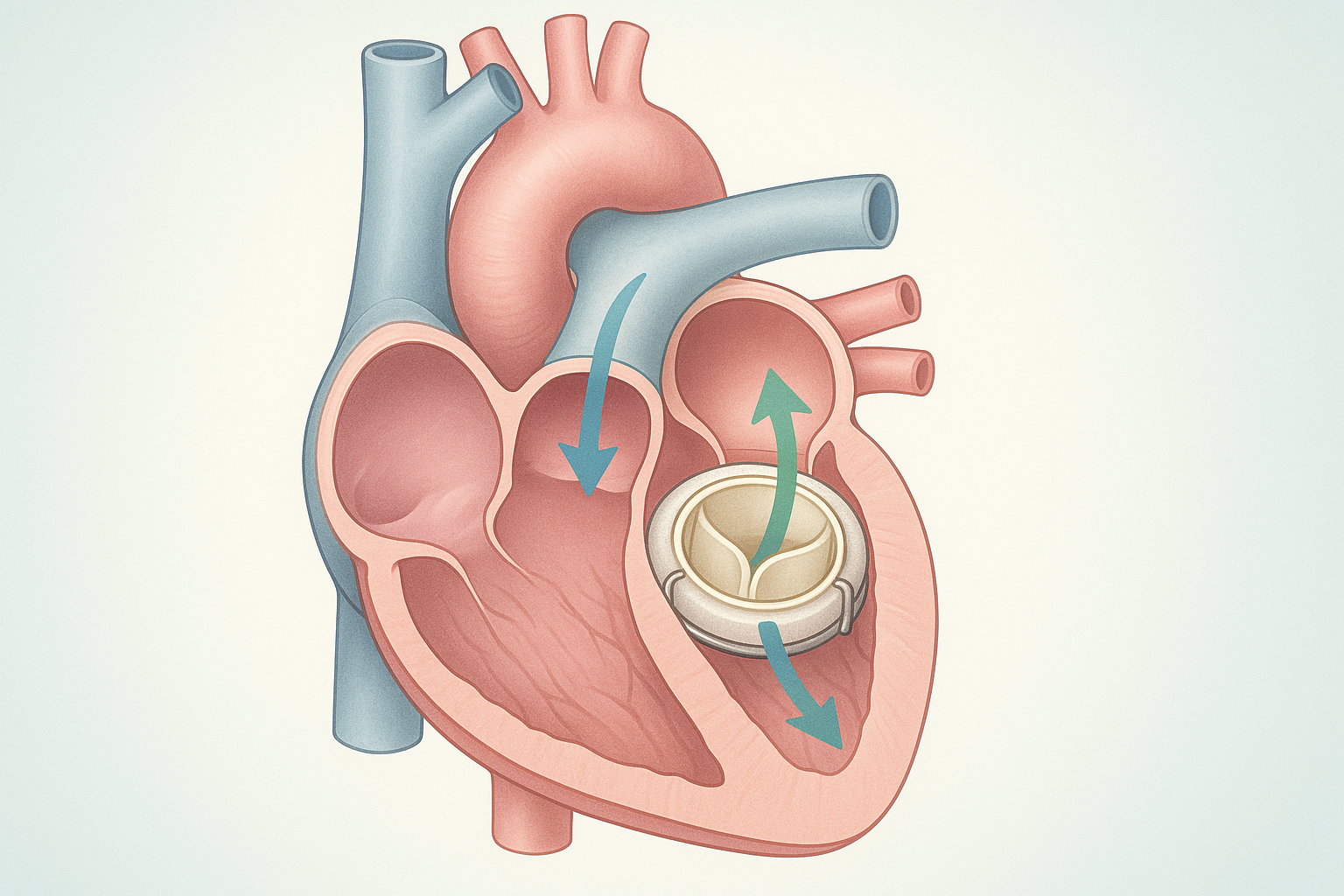
    Valve orientation is a fundamental part of heart valve surgery. When a prosthetic valve is implanted, correct alignment with the heart’s flow and surrounding tissue matters for how well it works. A scenario where the valve is placed upside down is rare, but it raises important questions about how orientation is checked, what signs could emerge, and how teams respond to ensure patient safety.

    Valve Orientation: what it means for the procedure

    In most valve surgeries, the goal is to position the new valve so that it mirrors normal heart anatomy. The orientation affects how blood moves through the valve and how well the device seals with the heart tissue. If the valve is oriented differently from its intended design, it can change the way it opens and closes. While modern devices and training emphasize correct placement, understanding what orientation means helps patients and families discuss expectations with care teams.

    How heart valve implants are placed and checked

    Implantation is a carefully planned process that involves imaging, measurements, and intraoperative checks. Surgeons often use imaging guidance and, when appropriate, direct visualization to align the valve with the heart’s anatomy. After placement, tests assess opening, closing, and blood flow through the valve. These checks aim to confirm the valve is oriented and functioning as intended before closing the surgical site.

    Recognizing an upside-down implant: possible signs

    In rare cases, an implant might be oriented differently than planned. If a valve is not aligned correctly, it can affect how blood flows through the heart or how the device seals with tissue. Some changes may be detected on imaging studies after surgery, while others might be suggested by unexpected murmurs or shifts in heart function. It is important to understand that many orientation issues are identified and corrected during the operation or early in the recovery period with proper imaging and assessment.

    Detection, correction, and safety measures

    When orientation concerns arise, multidisciplinary teams review intraoperative imaging, device specifics, and the patient’s anatomy. If a problem is detected, surgeons may elect to revise the placement during the same procedure if feasible and safe. Postoperative monitoring, including routine imaging and functional tests, helps confirm that the valve is functioning as intended. Safety protocols emphasize careful verification of orientation and function to reduce the risk of later complications.

    Recovery, monitoring, and long-term care

    Recovery after valve implantation typically involves a period of monitoring, activity adjustment, and follow-up appointments. Patients may undergo regular imaging to assess valve function and heart performance over time. While the specific plan depends on the valve type and overall health, common themes include ongoing symptom checks, medication decisions tailored to the valve, and lifestyle guidance to support heart health. A patient-centered approach focuses on clear communication about what to expect during healing and how to report concerns promptly.

    Key takeaways

    • Valve orientation is essential for proper valve function and blood flow.
    • Intraoperative checks and imaging help verify correct placement and reduce risks.
    • If orientation concerns occur, teams review and may adjust the implant during surgery or early recovery.
    • Ongoing follow-up and imaging are important for long-term valve performance and safety.
  • Unsafe Hospital Discharge: How to Stay Safe After Leaving

    Unsafe Hospital Discharge: How to Stay Safe After Leaving

    Discharge from hospital is a transition that requires careful planning. An unsafe hospital discharge refers to leaving a hospital setting in a way that increases the risk of complications, hospital readmission, or harm at home. Discharge decisions involve clinicians, patients, and families, and are most effective when there is clear communication, a practical home plan, and timely follow-up care.

    What unsafe hospital discharge means and why it happens

    Unsafe discharge can occur when decisions are made too quickly, when patients feel pressured to leave, or when important information about medications, symptoms, or home support is missing. Common triggers include bed pressure, inadequate staff handoffs, confusing instructions, or gaps in post-discharge services. When a discharge is not aligned with a patient’s condition or home situation, the risk of problems after leaving increases.

    Risks and consequences

    Leaving hospital too soon can lead to symptoms that go unrecognized or untreated. Inadequate medication management can cause adverse drug events, while poor planning for daily tasks, meals, or transportation may contribute to confusion, missed doses, or missed follow-ups. People with complex needs, limited social support, or language barriers may be especially at risk. These issues can lead to readmission or harm that could have been prevented with a more thorough discharge plan.

    How discharge planning works (general overview)

    Successful discharge planning involves a team approach. Clinicians review the current condition, reconcile medications, and assess what the home environment can support. A written discharge plan should outline medications, follow-up appointments, warning signs, and who to contact with questions. If needed, arrangements for home care, equipment, or transportation are made before leaving the hospital.

    Medication reconciliation and follow-up

    Key steps include confirming each prescribed medication, doses, and potential interactions; scheduling the next primary care or specialist visit; and ensuring a clear way to report new or worsening symptoms.

    What patients and families can do to support a safer discharge

    Proactive preparation can improve safety after hospital discharge. Here is a practical checklist to discuss with the care team:

    • Ask for a written discharge plan that lists medications, doses, and timing.
    • Verify follow-up appointments and how to access care if problems arise.
    • Confirm home supports, such as caregiver help, home health visits, or equipment needs.
    • Review warning signs that require medical attention and whom to call.
    • Bring a list of current medications and allergies to any new provider.

    Signs you may need urgent help after going home

    If symptoms worsen, or if there is severe pain, shortness of breath, confusion, high fever, or inability to keep fluids or medications down, seek medical assistance promptly. Do not delay care if you are unsure about a symptom. Contact the discharge team, your primary clinician, or an urgent care center for guidance.

    Resources and next steps

    Hospitals typically have a discharge planning team or a patient advocate who can help review plans, answer questions, and coordinate services after discharge. If available, a trusted family member or friend can participate in discussions to ensure understanding and adherence to the plan. Maintaining open communication with healthcare providers after discharge supports a smoother transition.

    Key Takeaways

    • Discharge should be a safe transition, not a rushed release.
    • Ask for a written plan detailing meds, follow-ups, and warning signs.
    • Verify support and transportation arrangements before leaving the hospital.
    • Know who to contact for questions or concerns after discharge.
    • Monitor symptoms and seek help promptly if problems arise.
  • AI-powered Medication Monitoring: Gaps in Hospital Care

    AI-powered Medication Monitoring: Gaps in Hospital Care

    AI-powered Medication Monitoring tools aim to flag anomalies in drug administration, inventory, and dosing by analyzing data from multiple sources. These systems are increasingly used to reduce missing drugs and dosing errors in busy hospitals. However, even advanced tools can have blind spots that affect real-world safety.

    What is AI-powered medication monitoring?

    AI-powered medication monitoring uses algorithms to identify patterns that may indicate errors or discrepancies in how drugs are stored, prepared, and given. In practice, solutions like Sentri7 Flowlytics integrate data from medication orders, administration records, inventory counts, and supply chain logs to produce alerts. The goal is to surface potential issues before they affect patients.

    How it works in practice

    The system ingests multiple data streams to support alerts and trend analysis:

    • Medication orders and administration events
    • Real-time inventory movements and stock levels
    • Barcode scans with time stamps and workflow checks
    • Clinical context from patient charts and care pathways

    Alerts are designed to triage potential issues for clinical review, often with human oversight to confirm actions.

    A cautionary case from Tennessee

    In safety discussions, a Tennessee hospital case described an intoxicated anesthesia nurse whose actions went undetected by the monitoring system for months. The incident highlights that even robust AI-based tools depend on data quality, timely inputs, and effective follow-up by staff to close safety gaps.

    Limitations and safety considerations

    Despite advances, several limitations can reduce effectiveness:

    • Data quality and timeliness directly influence alerts
    • High alert volume can lead to alert fatigue
    • Systems depend on correct use of input and system integration
    • Algorithm transparency and update practices matter for trust
    • Privacy, access controls, and governance are essential

    Improving reliability and safety

    Hospitals can increase reliability by combining technology with structured processes.

    • Multi-layer checks that combine automated signals with clinician review
    • Regular independent audits and performance testing
    • Clear escalation protocols and accountability
    • Staff training on recognizing and reporting concerns
    • Continuous updates from vendor safety advisories and internal feedback

    Key Takeaways

    • AI-powered Medication Monitoring aims to reduce drug errors but has blind spots
    • Data quality, alert fatigue, and human factors affect effectiveness
    • Combining tech with governance improves patient safety
    • Case studies drive improvements in safety practices
  • Peptide Therapy Regulation: Physician Guidance

    Peptide Therapy Regulation: Physician Guidance

    Regulatory bodies are clear on peptide therapy regulation: physicians should not use peptides that are not FDA-approved or designated for research in patient care. In Alabama, the board emphasizes straightforward guidance to protect patient safety and maintain professional standards. This article explains what the policy means in practice, why it exists, and practical steps for clinicians and patients to stay compliant.

    What the policy means for physicians

    The guidance makes a distinction between approved medical products and substances that are not FDA-approved for human use. For patient care, clinicians should rely on products that have clear federal approval for the intended indication. Compounding or dispensing peptides that lack FDA approval, or that are marketed only for research, is generally considered outside accepted clinical practice unless it occurs within appropriate, regulated research settings. Clinicians should verify product status, document decisions, and follow state and professional standards to reduce risk to patients.

    Why the restriction exists

    The rule exists to help ensure patient safety and product quality. Peptide products vary in purity, potency, and stability, and some may carry contaminants or inconsistent dosing. Without robust FDA oversight, there is a higher chance of quality issues, incorrect dosing, or unintended effects. Regulatory guidance also helps align clinical practice with established medical ethics and professional accountability, reducing legal risk for providers and ensuring patients receive treatments that meet baseline safety standards.

    What counts as non-FDA approved or research-grade peptide

    Broadly, a non-FDA approved peptide is one that has not received FDA clearance for a specific human indication. Research-grade peptides are marketed for laboratory use, not for routine patient treatment. Distinctions can blur in some markets, where products are labeled for “research” but are marketed to clinicians. For patient care, it is important to treat these substances as outside standard medical practice unless they are part of approved therapies or properly regulated research protocols under institutional review and FDA oversight.

    Implications for patients and care

    For patients, the main concern is safety and clarity. If a peptide is offered as a treatment, patients should understand whether the product is FDA-approved for the intended use. Providers should be able to share product information, including manufacturer, lot numbers, and regulatory status. When a product’s status is unclear, patients may prefer to seek alternatives with established approvals. Consider asking a clinician to explain how the product was sourced, what testing was performed, and what literature supports its use in a given condition.

    • Ask about FDA status and the specific indication the product is being used for.
    • Request documentation on the product’s source and lot-testing results.
    • Discuss approved alternatives with evidence-backed safety profiles.
    • Seek a second opinion if the status of a peptide product is uncertain.
    • Understand potential costs and insurance coverage when using non-approved options.

    How clinics stay compliant and what patients can do

    Clinics can support compliance by maintaining transparent sourcing, verifying regulatory status before use, and documenting all decisions related to peptide products. Institutions often have internal policies that require adherence to FDA-approved indications and established compounding standards. For patients, clear communication is key. Ask for a written outline of the product, its regulatory status, and the rationale for its use. If something feels uncertain, requesting a review or a referral to a specialist can help ensure that care aligns with current standards.

    Alternatives and safe options

    When a peptide product lacks FDA approval for a human indication, clinicians may explore approved therapies with similar goals or non-peptide options that have clearer regulatory status. The focus is on approaches with proven safety profiles, consistent quality, and regulatory oversight. This is not medical advice, but a reminder that choosing therapies with well-established approvals helps align treatment with standard practice and public safety expectations.

    Key Takeaways

    • Peptide therapy regulation emphasizes using FDA-approved products for human use.
    • Non-approved or research-grade peptides carry higher safety and quality risks.
    • Clinicians should verify product status, document decisions, and discuss alternatives with patients.
    • Patients should ask about regulatory status, sourcing, and evidence behind a peptide treatment.
  • How to Identify Lab Errors: A Practical Guide for Clinicians

    How to Identify Lab Errors: A Practical Guide for Clinicians

    Laboratory results come from complex processes, and not every unusual value indicates a patient problem. Identifying lab errors is a careful skill that helps clinicians distinguish true signals from noise. This guide explains common sources of error, typical signs a result might be unreliable, and practical steps to confirm or clarify findings. It emphasizes non-judgmental communication and safe ways to pursue verification. While this is informational, understanding how errors arise can support safer interpretation and better conversations with the health care team about test results. This article focuses on general patterns, not specific cases. It supports informed questions and safe action.

    Identifying lab errors in practice

    Lab errors are problems that affect accuracy or reliability of results. They arise from three broad stages: pre analytical, analytical, and post analytical. Some errors are detected by the lab quality checks; others become apparent when results do not fit the bigger clinical picture. In practice, an error reduces confidence in a single result or in a whole set of related tests.

    Pre analytical issues to watch

    Pre analytical problems occur before the test is run. They can involve sample labeling, collection, transport, or storage, and they can lead to values that seem out of range or inconsistent with the patient history. Common issues include mislabeling or mix ups, using the wrong collection tube, delays during transport, improper storage conditions, or insufficient sample volume. Clinicians and patients may notice these patterns when results do not align with prior tests or expected physiology.

    Analytical and instrument concerns

    Analytical problems happen during the actual testing or due to the equipment used. They can trigger random or systematic drift in measurements, flags from the analyzer, or interference from reagents or patient factors. Possible sources include calibration drift, stale or recalled reagents, instrument carryover, or changes in assay lot. When results seem inconsistent across related tests or show unexpected patterns, instrument or assay issues may be part of the explanation.

    Post analytical and reporting red flags

    Post analytical issues involve how results are reported or interpreted. Red flags include results that appear with unusual units or reference ranges, missing reference data, delays in reporting, or results that show a mismatch between the order and the final report. Duplicate orders, late add ons, or missing supporting notes can also obscure interpretation. Such signals do not prove an error, but they prompt a closer look and, if needed, a request for clarification or a retest.

    How to respond when you suspect an error

    If something about a result seems off, take a cautious collaborative approach. Review available information, including prior results, patient history, and the test method used. Check for obvious pre analytical or clerical issues and consider asking for a repeat test on a fresh specimen if appropriate. Coordinate with the laboratory or ordering clinician to verify the result and document any concerns along with a plan for follow up. The goal is to clarify the result without delaying necessary care.

    Key Takeaways

    • Identifying lab errors can prevent misinterpretation and unnecessary actions.
    • Most errors arise before, during, or after testing and require different checks.
    • Ask for confirmation or a repeat test when results do not fit the clinical picture.
    • Effective communication with the lab and care team supports safer results.
  • Understanding Responsibility to Report: Ethics in Medicine

    Understanding Responsibility to Report: Ethics in Medicine

    The responsibility to report in medicine sits at the intersection of patient safety, ethics, and law. When clinicians observe harm, potential abuse, or public health risks, questions arise about whether, how, and when to speak up. This article outlines what this duty means, how it is shaped by policy, and what healthcare workers can consider when faced with a reporting decision.

    What does the responsibility to report mean in medicine?

    At its core, responsibility to report refers to a professional obligation to relay information that could prevent harm, protect vulnerable people, or safeguard public health. It blends personal conscience with formal duties in clinics, hospitals, and research settings. While the exact rules vary, the underlying goal is to support safe care and accountability without compromising patient trust.

    Legal and ethical considerations

    Many places have laws that require reporting certain events to authorities or agencies. Separate, but related, are codes of ethics from professional bodies that encourage reporting to protect patients and the profession. Clinicians must balance confidentiality with the duty to disclose when non-disclosure could result in greater harm. Decisions often depend on the type of information, the risk of harm, and the legal protections for reporters.

    Common scenarios that call for reporting

    Some situations are widely recognized as reporting triggers, though specifics differ by jurisdiction. The following examples illustrate typical categories:

    – Suspected abuse or neglect of a child or vulnerable person

    – Infectious diseases or other public-health risks that must be communicated to authorities

    – Serious patient safety events or systemic quality concerns

    – Concerns about impairment or misconduct by a healthcare professional or student

    How to report responsibly

    When reporting, aim for accuracy, clarity, and timeliness. Gather objective, verifiable details and preserve patient privacy by sharing only necessary information with authorized channels. Use official reporting pathways—such as supervisors, compliance offices, or relevant public agencies—and seek guidance if the rules are unclear. If you’re unsure, document what you observed and consult a trusted colleague or legal/ethics resource before taking further steps.

    Tips for clear communication

    Describe the observed facts and concrete outcomes, avoid labeling or judgment, and state how the information was obtained. A concise report that focuses on patient safety and system improvement is more helpful than personal opinions.

    Barriers and supports

    Fear of retaliation, uncertainty about legal protections, and concerns about damaging a colleague’s career can hinder reporting. Institutions can foster a safer environment through clear policies, anonymous reporting options, and protections for whistleblowers. Ongoing training helps clinicians recognize when reporting is appropriate and how to navigate complex cases.

    Key Takeaways

    • Reporting duties exist to protect patients and the public, not to assign blame.
    • Know what must be reported in your locale and use official channels to minimize risk.
    • Document facts carefully and maintain confidentiality where possible.
    • Seek guidance when rules are unclear to balance ethics, law, and safety.