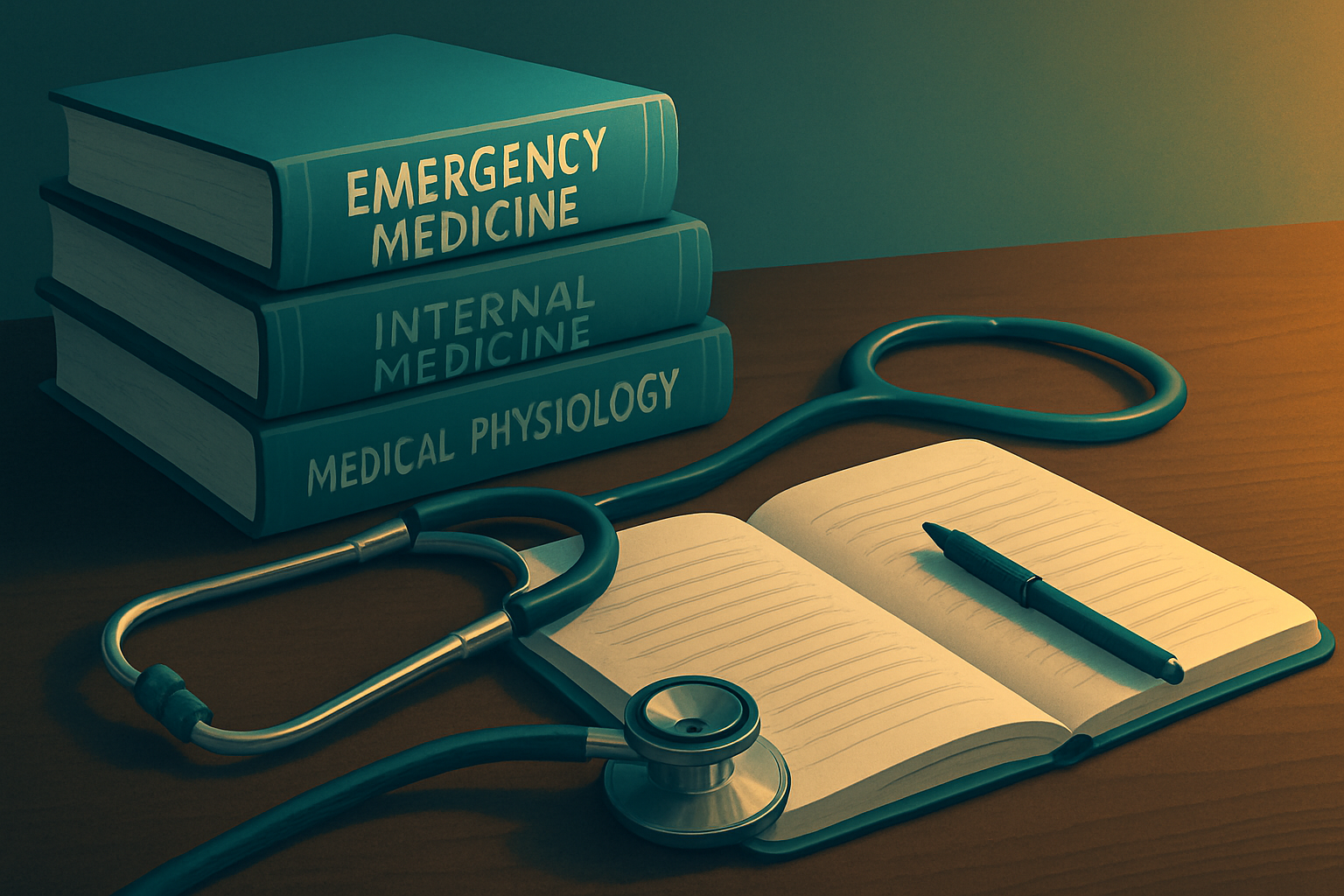
If you enjoyed a title like Blood of Strangers, you may want a broader reading list to deepen your understanding of emergency medicine books. This practical guide highlights reliable, accessible options and a simple way to choose your next read, with busy schedules in mind.
What makes a good emergency medicine book
Good texts in this field aim to be accurate, up-to-date, and readable. They balance theory with real-world cases, provide clear diagrams or algorithms, and point readers to credible sources for deeper study. Because EM involves time-critical decisions, a strong book presents concise summaries, upfront takeaways, and consistent terminology. When evaluating a title, check the edition date, author background, and the scope of topics covered.
Core categories to explore
- Evidence-based reference guides and pocket primers
- Case-based collections that walk through common ED presentations
- Textbook-style overviews of trauma, resuscitation, toxicology, and critical care
- Quick-reference handbooks with checklists and algorithms
- Region-specific guidelines and epidemiology that reflect local practice
Reading formats for busy clinicians
Different formats suit different goals. Quick, focused reads help with immediate decision-making, while deeper, narrative or textbook-style volumes build foundational knowledge. A mix of formats can prevent burnout and keep learning practical. Consider alternating short sessions with longer, structured study blocks.
How to pick your next read
Begin with a clear goal—are you preparing for exams, expanding into a new subspecialty, or seeking practical decision aids for the ED? Look at the edition date and author credentials, then skim the table of contents to see if the topics align with your needs. Read sample chapters if available and check reader reviews or endorsements from trusted colleagues. Finally, confirm the format fits your schedule, whether you prefer print, e-book, or a quick-reference app.
Building a practical reading plan
Try a structured, four-week approach to steadily build knowledge without overload: Week 1: Start with a concise reference or quick-guide for core ED concepts. Week 2: Add a case-based book focusing on common presentations like chest pain, shortness of breath, and altered mental status. Week 3: Read a broader overview covering trauma, airway management, and resuscitation basics. Week 4: Review takeaways, integrate learnings into practice scenarios, and identify gaps for future reading.
Key Takeaways
- Choose emergency medicine books that balance accuracy with practical usefulness.
- Mix formats to suit your goals and schedule.
- Use a short, structured reading plan to build knowledge steadily.