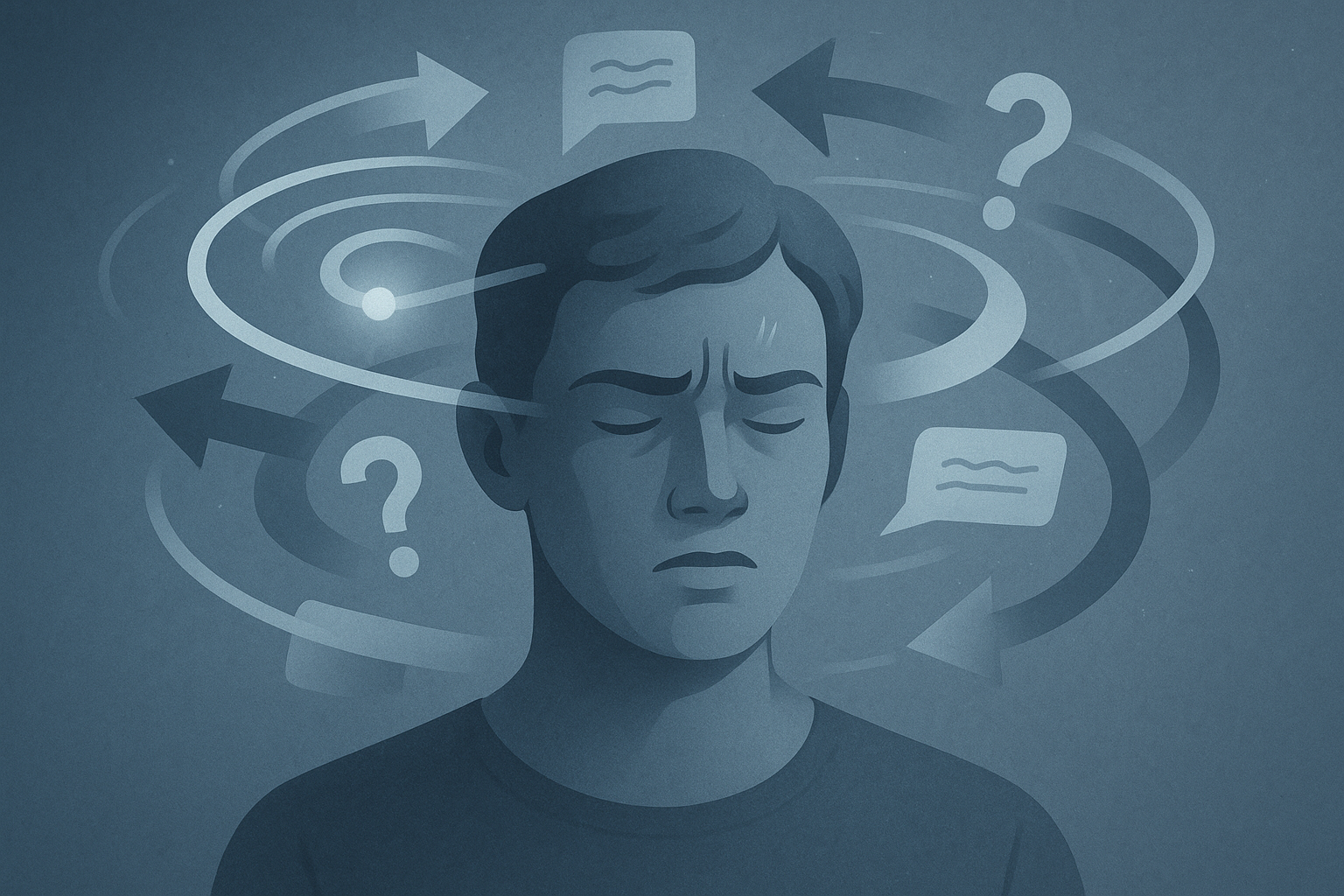
Over the past week, three social media posts about vertigo have spread misinformation online. This piece explains what vertigo is, common myths you may see, and how to evaluate claims you encounter. The goal is to offer clear, non-technical explanations and practical steps to think critically about online advice.
Common myths about vertigo on social media
Misinformation about vertigo often rests on simplifying complex symptoms. Posts may treat vertigo as nothing more than brief dizziness or imply a single cure will work for everyone. Others suggest vertigo only affects older people, or that every spinning sensation signals a medical emergency.
- Myth: Vertigo is just dizziness and nothing more vital; it’s not a real condition.
- Myth: Home remedies cure all vertigo quickly, with no follow-up care needed.
- Myth: Vertigo only happens to older adults.
What vertigo is
Vertigo is a symptom, not a disease. It describes a spinning sensation or a feeling that you or the surroundings are moving. Causes can involve the inner ear, balance nerves, or other parts of the vestibular system.
Common, non-rare conditions linked to vertigo include benign paroxysmal positional vertigo, vestibular neuritis, and Meniere’s disease. These conditions vary in duration and trigger, so accurate assessment matters.
Why misinformation spreads
Online misinformation thrives when headlines are sensational, or when personal anecdotes are presented as universal facts. Technical terms can be misused, and nuanced medical guidance is often shortened or taken out of context. Recognizing these patterns helps readers pause before sharing.
How to evaluate vertigo claims online
Use a simple checklist before you accept or share vertigo advice.
- Check the source’s credentials and whether the information cites credible organizations or peer-reviewed sources.
- Distinguish personal experiences from general medical guidance.
- Look for careful language about symptoms, duration, and red flags rather than promises of quick fixes.
- Be cautious with posts that urge dramatic self-diagnosis or unverified remedies.
- When in doubt, seek input from a healthcare professional who can assess your symptoms in context.
When to seek care
Vertigo can be alarming, but certain signs deserve prompt medical attention. Seek care if vertigo lasts for hours, is associated with severe headache, weakness, trouble speaking, double vision, hearing loss, or follows a head injury. Sudden, new vertigo with a persistent spinning sensation should be evaluated by a clinician, especially if it is accompanied by other concerning symptoms.
Key Takeaways
- Vertigo is a symptom with multiple possible causes.
- Not all online vertigo claims are evidence-based; verify with credible sources.
- Discuss persistent or worsening symptoms with a clinician.
- Use critical thinking and avoid acting on anecdotes alone.