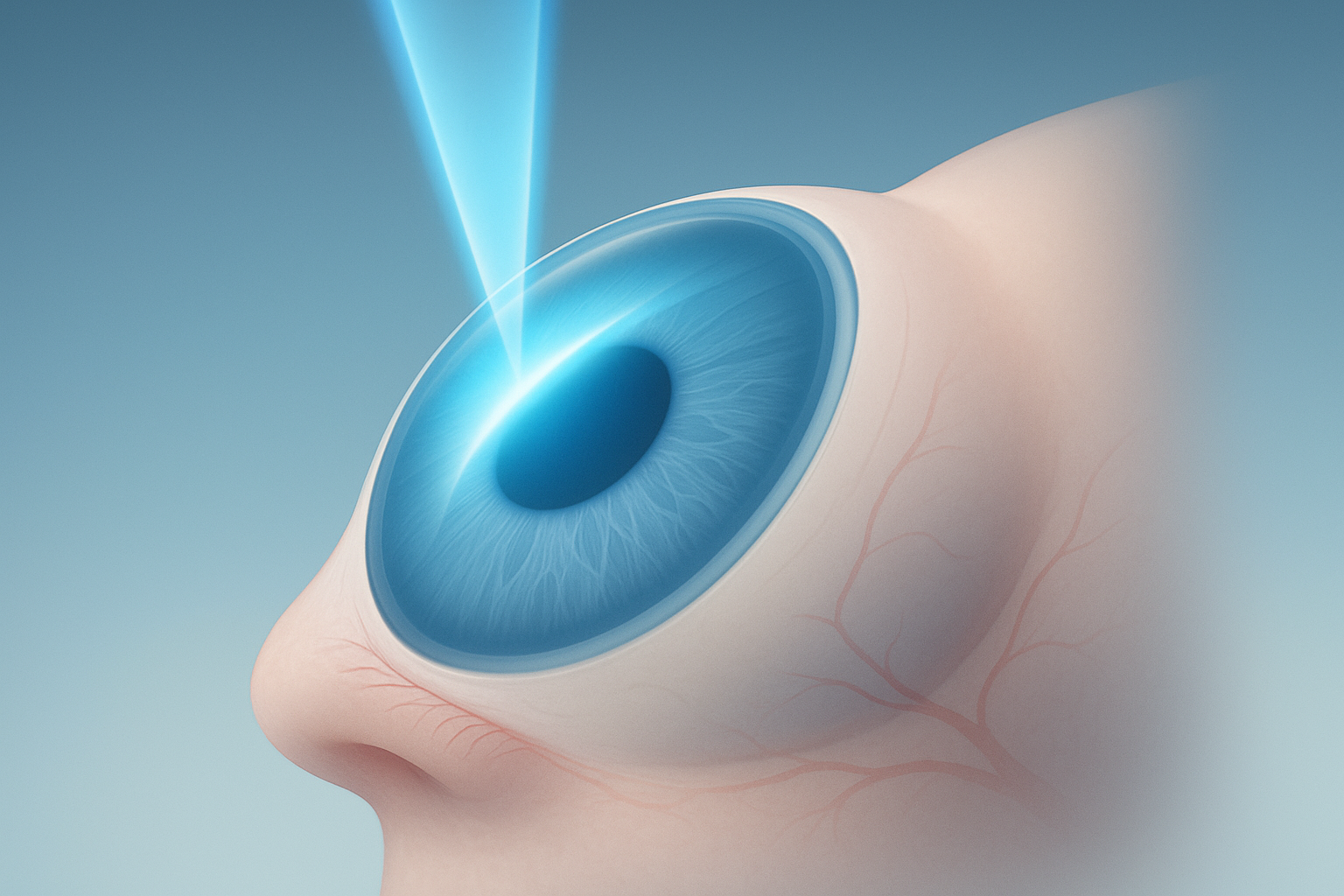
A recent topic about sight-saving eye care has raised questions about corneal crosslinking updates and changes to the procedure. This overview explains what the procedure is, why updates might occur, and how changes could affect patients and clinicians. The goal is to present the information in a calm, neutral way so readers can discuss concerns with their eye care team.
What corneal crosslinking is
Corneal crosslinking is a medical procedure used to slow or halt the progression of keratoconus and other corneal conditions. The process combines a vitamin B2 derivative called riboflavin with ultraviolet light to strengthen the cornea, aiming to improve stability and reduce the risk of vision loss. The procedure is typically done in a clinic or surgical setting and may require a short recovery period. Results vary by person, and long-term follow-up is common to monitor the cornea’s strength over time.
Why updates might come
Medical practice evolves as new evidence, safety data, or device innovations emerge. For corneal crosslinking, updates could reflect improved techniques, better patient selection, or enhanced monitoring. Regulatory and ethical considerations can also drive changes in how and where the procedure is offered. While updates aim to improve safety and outcomes, they can create questions about eligibility, timing, and post-procedure care.
What these updates could mean in practice
In practice, updates might touch several aspects of care. Some people could see changes in who’s considered a good candidate, or in the recommended age range. Protocols for when to perform crosslinking (earlier vs. later in disease) may be refined as more data become available. Devices or methods used during the procedure could shift, potentially affecting comfort, duration, or recovery. Clinicians may also adjust how they monitor patients after treatment, with more frequent check-ins or standardized tests to track corneal strength.
Safety, effectiveness, and timelines
As with any medical procedure, balancing safety and effectiveness matters. Updates often aim to maximize benefit while reducing risks, but the specific impact can vary by patient. Recovery timelines might be clarified, and some patients may notice changes in vision sooner or later than expected. It’s important to review the latest guidance with a licensed eye care professional who can tailor information to an individual’s eye health and lifestyle.
How to stay informed and talk with your clinician
Staying informed means checking reputable sources and asking thoughtful questions during visits. Here are some practical prompts to discuss with your eye care team:
- What are the current eligibility criteria for crosslinking in my case?
- Are there new techniques or devices being used, and how might they affect recovery?
- What are the expected risks, benefits, and likely outcomes given my eye health?
- What does follow-up look like, and how long should I expect to monitor changes in vision?
- If I’ve already had the procedure, do these updates change my post-treatment plan?
Key Takeaways
- Corneal crosslinking aims to strengthen the cornea and slow disease progression.
- Updates in practice may affect who’s eligible and how the procedure is performed.
- Discuss updated safety data and recovery timelines with your clinician.
- Ask clear questions to understand how changes impact your eye health.