
Tag: healthcare-policy

  • Prior Authorization: How I Became Radicalized in Healthcare

    Prior Authorization: How I Became Radicalized in Healthcare

    In healthcare, prior authorization can feel like a gatekeeper. The process asks clinicians to justify tests, procedures, or medications before they occur. The topic sparks strong opinions about efficiency, fairness, and the patient experience, and it often shapes how people view the system as a whole.

    What is prior authorization?

    Prior authorization is a process some insurers require before covering a service. A clinician or their staff submit information to confirm that a proposed test, procedure, or prescription meets payer criteria. If the insurer agrees, the service proceeds; if not, coverage may be delayed or denied.

    Timelines and requirements vary by plan and service, so the exact steps are not the same everywhere. Understanding how the process works can help patients and clinicians anticipate delays and plan accordingly.

    Why it can feel like a protocol trap

    For many, the friction comes from repeated forms, phone calls, and follow-up requests. A single authorization can involve multiple departments, dozens of fields, and sometimes back-and-forth with the insurer. The result is that routine care can require extra time, attention, and scheduling that feels separate from the medical decision itself.

    Common pain points for patients and clinicians

    Across settings, the same themes keep turning up:

    • Delays in getting approved tests or medications, which can push back appointments or treatment timelines.
    • Denials or partial approvals that require appeals or additional documentation.
    • Miscommunication between the clinic, patient, and insurer that leaves people guessing about next steps.
    • Time spent on phone calls, forms, and trackable submission logs instead of patient care.
    • Variability in rules from one insurer or plan to another, even within the same health system.
    • Impact on timely care, especially when a condition worsens while waiting for authorization.

    Navigating the system: what helps

    Clinics build teams and processes to handle prior authorization, but patients can also take steps. Keeping a copy of the plan’s criteria, tracking submissions, and knowing typical turnaround times can reduce guesswork. If delays occur, asking for escalation or a formal status update can move things forward.

    Escalation steps

    When a decision stalls, you can request the insurer’s rationale in writing, seek an appeal, or involve a patient advocate from the clinic or hospital. Having a clinician’s note that succinctly explains medical necessity can also speed up review.

    Practical tips for navigating the process

    These are general, non-clinical tips focused on administrative efficiency and communication.

    • Verify coverage and required documentation before submitting requests.
    • Keep a running log of submissions, dates, and responses.
    • Ask for written confirmation of decisions and expected timelines.
    • Request escalation if approvals stall beyond the plan’s stated window.
    • Coordinate with the clinic’s prior authorization team to align on next steps.

    Key takeaways

    • Prior authorization is a common step that can affect care timelines.
    • Clear documentation and proactive communication help reduce delays.
    • Turnaround times vary by payer and service; know your plan’s rules.
    • Escalation and patient advocacy can smooth the review process.
  • Small Government Healthcare Costs for Hospitals Today

    Small Government Healthcare Costs for Hospitals Today

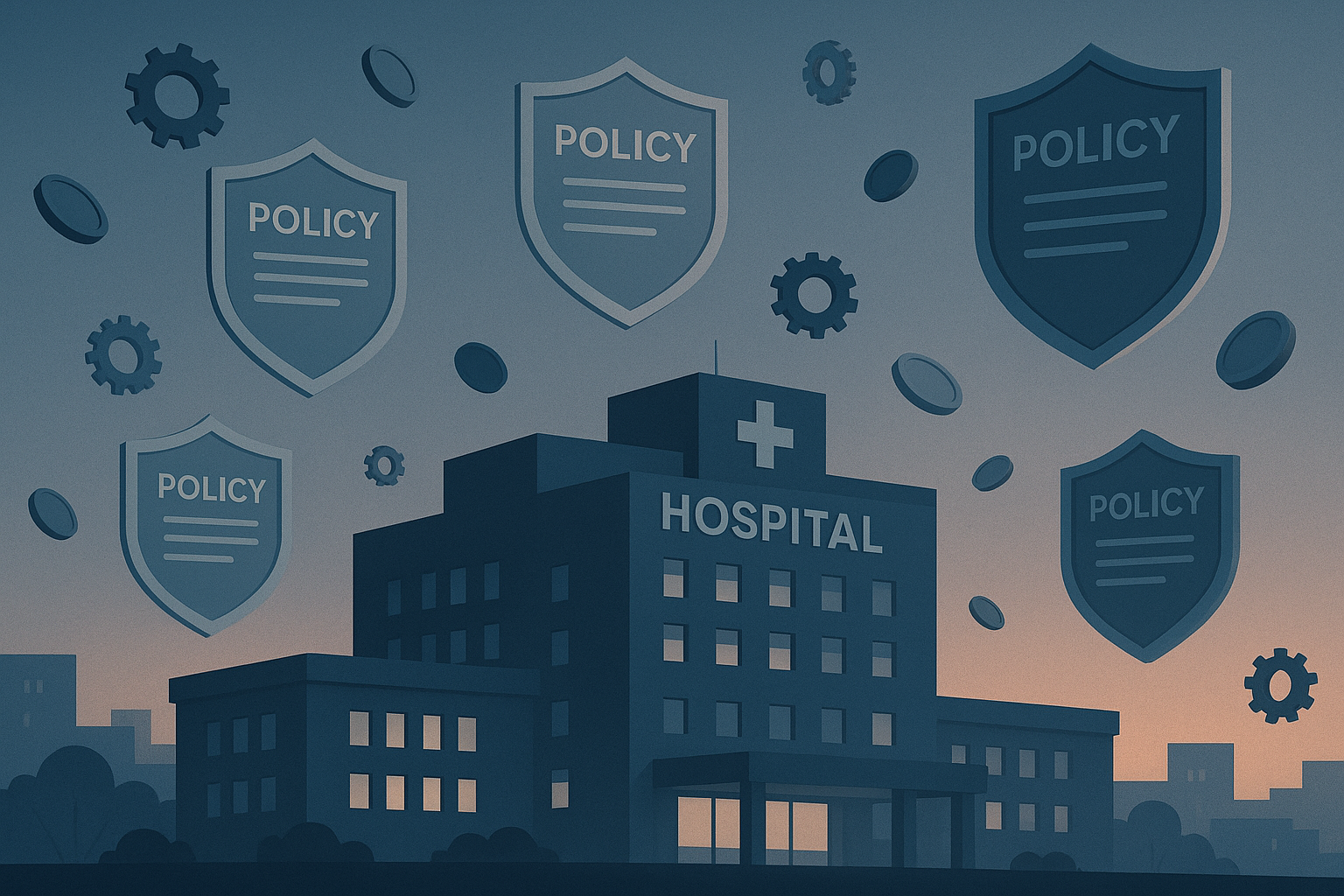
    Policy debates about how much government should fund, regulate, or run parts of the health system raise practical questions for hospitals and care teams. In conversations calling for small government healthcare, concerns often focus on the real-world price of regulatory relief or tightened funding. This piece explains what such policy shifts could mean for hospital systems, patients, and communities.

    What small government healthcare could mean for hospitals

    In theory, a push for smaller government aims to reduce mandates and central oversight. For hospitals, that can translate into more local decision-making, changes to funding streams, and potential shifts in how care is organized. The outcome depends on the exact policy mix, timeline, and how state and federal programs adapt.

    Hidden costs of policy battles

    Even in a scenario of fewer mandates, hospitals often face costs tied to policy changes. These can include staff time spent interpreting new rules, updating systems, and defending operations if funding or regulations are challenged. The rough areas where costs can accumulate include:

    • Regulatory compliance and documentation burdens
    • Legal and consulting fees during policy debates and litigation
    • IT upgrades to support reporting and data-sharing requirements
    • Staffing for regulatory affairs and risk management
    • Short-term revenue pressure from shifts in reimbursement or funding

    Impacts on patients and communities

    Policy choices at the government level can ripple through the health system. Some communities might see changes in access, wait times, or how services are organized across facilities. In rural or underserved areas, the impact of funding shifts or regulatory relief can be particularly noticeable. The goal for many policymakers is to balance flexibility with safeguards that protect patient safety and access to essential services.

    Watching the policy debate

    To understand how these ideas might unfold, watch for four signals: proposed funding allocations, timelines for implementing changes, transition rules for existing programs, and how states align with federal plans. Clear communication and predictable rules help hospitals plan and preserve patient care quality during any transition.

    What communities can do

    Residents, patients, and local leaders can engage by asking how proposed changes would affect access and costs, supporting transparent budgeting, and participating in public comment opportunities. When communities stay informed and involved, they can help ensure that hospital systems still meet local needs even as political debates continue.

    Key takeaways

    • Small government healthcare ideas can affect hospital costs as rules and funding shift.
    • Hospitals may face compliance, legal, and IT expenses during policy transitions.
    • Community engagement helps ensure care access and affordability amid policy changes.
  • RaDonda Vaught NPR Coverage: What It Means for Healthcare

    RaDonda Vaught NPR Coverage: What It Means for Healthcare

    RaDonda Vaught NPR coverage has sparked renewed discussion about safety in medical settings, accountability for mistakes, and how the media frame complex healthcare stories. This piece examines, in broad terms, what such coverage tends to highlight and why it matters for readers who follow health news. The goal is to describe general themes without quoting specific reports, while noting how public conversation can influence perceptions of the medical system.

    What the coverage highlights

    Across many outlets that report on high‑profile medical stories, common themes include how errors are identified, investigated, and disclosed to the public. Coverage often explores the steps a hospital or health system takes to review procedures, the role of regulatory bodies, and the legal or policy implications that follow. While every article is different, a steady thread is the attempt to explain what happened in a way that is understandable to non-experts, without oversimplifying complex clinical decisions.

    Readers should expect a balance between factual reporting—what can be verified and what remains uncertain—and the broader conversation about patient safety culture. This balance matters because it shapes how the public views accountability, error prevention, and the systems that support clinicians at the bedside. In general, responsible reporting aims to present context that helps stakeholders learn from mistakes without sensationalizing individual cases.

    Why this story resonates beyond a single case

    Stories like these often resonate beyond the names involved because they touch on universal questions about trust, transparency, and the ethics of medical care. NPR‑style coverage tends to connect patient experiences with policy considerations, highlighting how rules and procedures can either prevent or permit harm. This broader lens invites readers to consider how safety cultures are built within hospitals, how information is communicated during crises, and how the media can influence public expectations of medical practice.

    For clinicians, administrators, and patients alike, the discussion can illuminate how policies translate into daily routines—such as medication verification, double‑checks, and incident reporting. While the details of any one case may be unique, the underlying themes of safety, accountability, and learning from mistakes have wide relevance across healthcare settings.

    Balancing transparency and fairness

    One ongoing tension in health reporting is the push for transparency with the need to protect individuals’ privacy and avoid unfair conclusions. Coverage that emphasizes procedural steps—what institutions did, what safeguards existed, and what changes were made—helps readers assess whether improvements are practical and meaningful. At the same time, reporters must avoid prematurely judging a case before all evidence is reviewed. This balance supports informed public discourse without compromising due process for those involved.

    Readers can benefit from recognizing that medical systems are complex, with many moving parts. News narratives may summarize many months of investigation in a few paragraphs. Keeping that in mind encourages a measured approach to evaluating claims and recognizing the difference between preliminary findings and confirmed conclusions.

    How to read health news critically

    Following health coverage with a critical eye helps readers distinguish between established facts and evolving information. Consider these guidelines when you encounter stories about medical errors or safety initiatives:

    • Check the sources. Look for statements attributed to official reports, institutional press releases, or independent investigators rather than anonymous claims.
    • Separate fact from opinion. Notice when a piece presents data or timelines versus when it offers interpretation or speculation.
    • Look for context. Consider the system’s safeguards, recent reforms, and how typical or atypical the case appears within broader trends.
    • Seek multiple perspectives. Reading more than one outlet can reveal different angles and reduce bias.

    Engaging with coverage in this way supports a more nuanced understanding of how healthcare systems respond to errors and how public dialogue evolves around patient safety and accountability.

    Impact on healthcare conversations

    Media coverage of high‑profile medical stories often influences conversations about policy, training, and safety culture. When the public encounters thoughtful reporting, it can encourage hospitals to review procedures, invest in staff education, and strengthen reporting mechanisms. It can also prompt readers to ask questions about how data is collected, how incidents are classified, and what measures are in place to prevent recurrence. The overall aim is to foster constructive dialogue that leads to tangible improvements in patient care, rather than sensationalized narratives that may distort the reality of everyday medical practice.

    Key takeaways

    • Public coverage shapes perceptions of safety and accountability in healthcare.
    • Balanced reporting presents verified facts alongside clear context and cautious interpretation.
    • Readers benefit from critical appraisal: check sources, seek context, and compare multiple outlets.
    • Media attention can drive policy discussions and improvements in safety culture.

    Key Takeaways