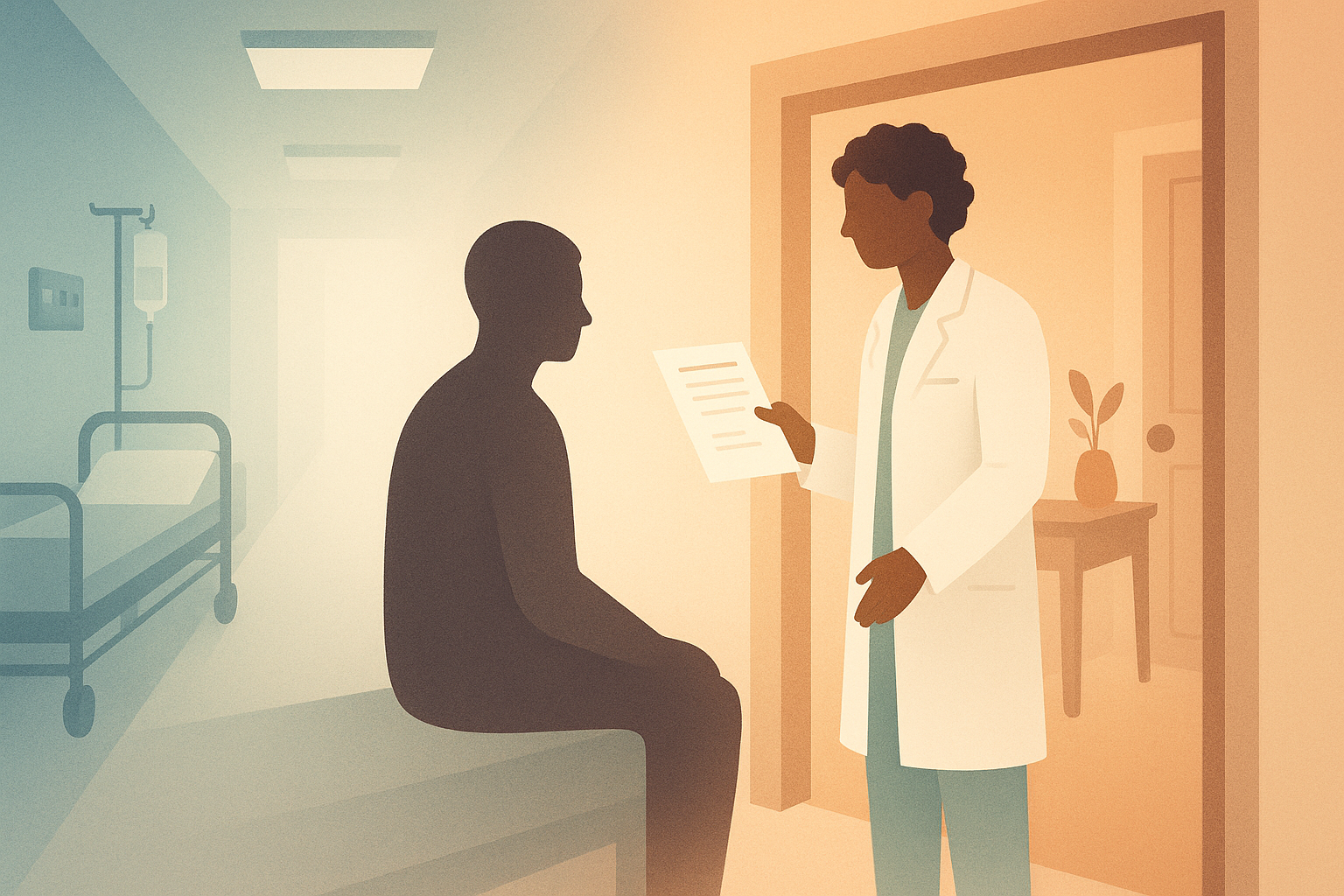
Discharge from hospital is a transition that requires careful planning. An unsafe hospital discharge refers to leaving a hospital setting in a way that increases the risk of complications, hospital readmission, or harm at home. Discharge decisions involve clinicians, patients, and families, and are most effective when there is clear communication, a practical home plan, and timely follow-up care.
What unsafe hospital discharge means and why it happens
Unsafe discharge can occur when decisions are made too quickly, when patients feel pressured to leave, or when important information about medications, symptoms, or home support is missing. Common triggers include bed pressure, inadequate staff handoffs, confusing instructions, or gaps in post-discharge services. When a discharge is not aligned with a patient’s condition or home situation, the risk of problems after leaving increases.
Risks and consequences
Leaving hospital too soon can lead to symptoms that go unrecognized or untreated. Inadequate medication management can cause adverse drug events, while poor planning for daily tasks, meals, or transportation may contribute to confusion, missed doses, or missed follow-ups. People with complex needs, limited social support, or language barriers may be especially at risk. These issues can lead to readmission or harm that could have been prevented with a more thorough discharge plan.
How discharge planning works (general overview)
Successful discharge planning involves a team approach. Clinicians review the current condition, reconcile medications, and assess what the home environment can support. A written discharge plan should outline medications, follow-up appointments, warning signs, and who to contact with questions. If needed, arrangements for home care, equipment, or transportation are made before leaving the hospital.
Medication reconciliation and follow-up
Key steps include confirming each prescribed medication, doses, and potential interactions; scheduling the next primary care or specialist visit; and ensuring a clear way to report new or worsening symptoms.
What patients and families can do to support a safer discharge
Proactive preparation can improve safety after hospital discharge. Here is a practical checklist to discuss with the care team:
- Ask for a written discharge plan that lists medications, doses, and timing.
- Verify follow-up appointments and how to access care if problems arise.
- Confirm home supports, such as caregiver help, home health visits, or equipment needs.
- Review warning signs that require medical attention and whom to call.
- Bring a list of current medications and allergies to any new provider.
Signs you may need urgent help after going home
If symptoms worsen, or if there is severe pain, shortness of breath, confusion, high fever, or inability to keep fluids or medications down, seek medical assistance promptly. Do not delay care if you are unsure about a symptom. Contact the discharge team, your primary clinician, or an urgent care center for guidance.
Resources and next steps
Hospitals typically have a discharge planning team or a patient advocate who can help review plans, answer questions, and coordinate services after discharge. If available, a trusted family member or friend can participate in discussions to ensure understanding and adherence to the plan. Maintaining open communication with healthcare providers after discharge supports a smoother transition.
Key Takeaways
- Discharge should be a safe transition, not a rushed release.
- Ask for a written plan detailing meds, follow-ups, and warning signs.
- Verify support and transportation arrangements before leaving the hospital.
- Know who to contact for questions or concerns after discharge.
- Monitor symptoms and seek help promptly if problems arise.