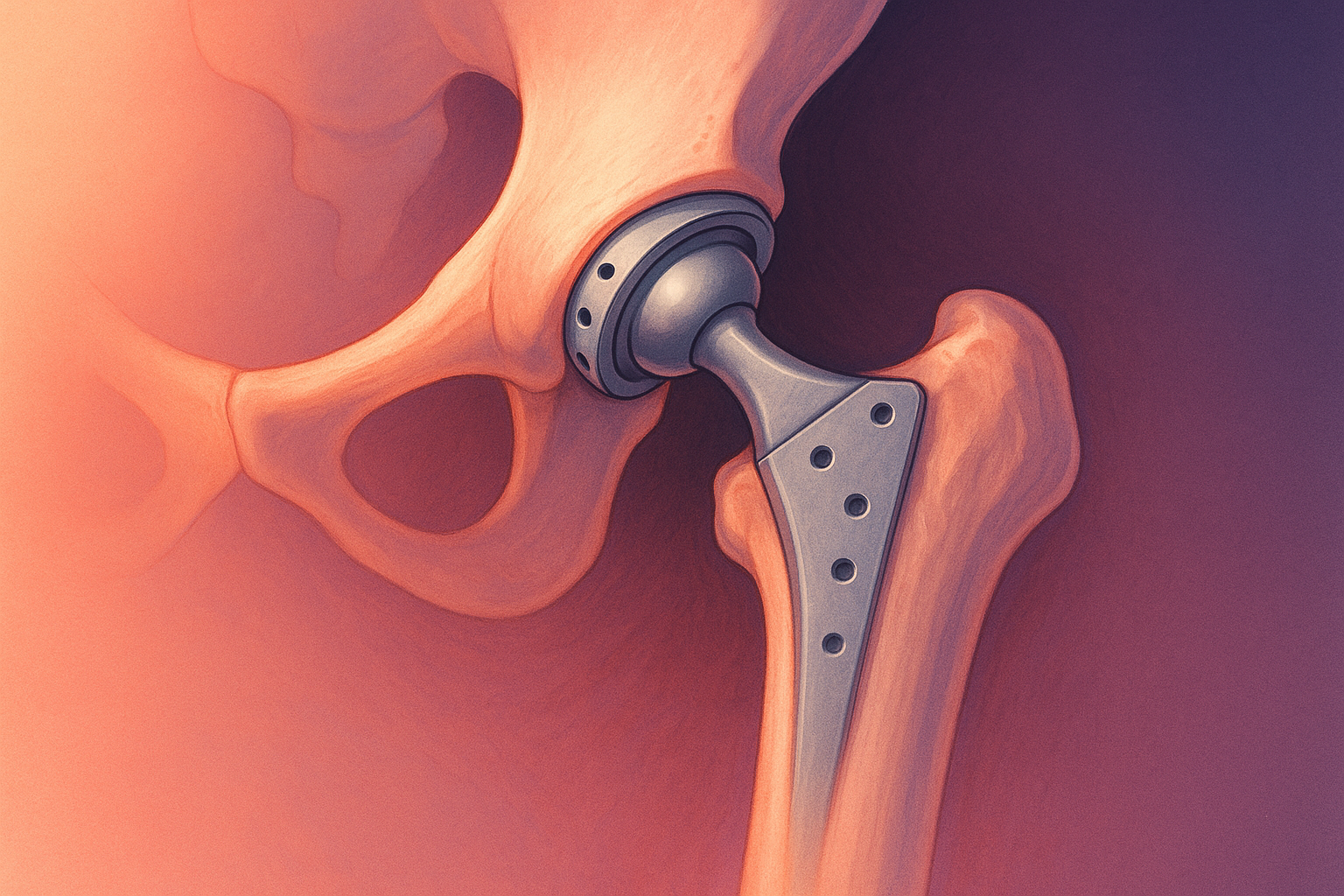
CRPS is a complex, often painful condition that can follow injuries or surgery. It involves abnormal sensory, autonomic, and motor responses and can persist for months or years. While most people recover with standard care, a small subset experiences persistent symptoms despite multiple treatments.
What CRPS is and how it can develop after joint surgery
CRPS typically presents with prolonged pain out of proportion to the initial injury, swelling, changes in skin color or temperature, and altered sweating or hair growth. After joint surgery such as hip arthroplasty, the risk is low but present, and early recognition matters for planning care. Management usually starts with physical therapy, medications, and interventional techniques aimed at reducing pain and preserving function.
The case in context: a young adult after hip arthroplasty
In this case, a 20-year-old patient who had a hip replacement developed persistent, regional pain and changes in the affected limb that did not respond to standard medical therapy or interventional procedures. Over time, symptoms persisted despite optimized pharmacologic management and targeted nerve blocks or other interventions. The clinical team evaluated a range of options, balancing the goal of pain relief with potential impacts on mobility, independence, and quality of life. The situation illustrates how CRPS can evolve into a challenging, multi-year course for some patients, even after successful initial surgery.
TiTON and the role in extreme CRPS cases
TiTON refers to a last-resort intervention used in rare, severe CRPS cases when conventional treatments fail to achieve meaningful relief or functional improvement. In this scenario, TiTON was selected after careful multidisciplinary review, with consideration of potential benefits versus risks. The decision-making process emphasized patient values, anticipated outcomes, and the goal of reducing suffering in the face of ongoing pain. While not common, such options underscore how clinicians approach extreme cases where standard care has been exhausted.
Amputation as a last resort for CRPS
Amputation is discussed in some extreme CRPS cases as a possible option when all other strategies fail to deliver adequate relief or preserve function. Such decisions are complex and require extensive counseling, risk assessment, and collaboration among surgeons, pain specialists, psychologists, and the patient. Rehabilitation and prosthetic planning after amputation are important components of care, as is ongoing support for emotional and physical wellbeing. The choice centers on balancing the patient’s goals, potential pain relief, and the likelihood of restoring some level of independence and daily functioning.
What clinicians can learn from such cases
Cases like this highlight the need for a careful, patient-centered approach to refractory CRPS after surgery. Key considerations include:
- early multidisciplinary assessment involving pain, surgery, rehabilitation, and mental health specialists
- regular re-evaluation of goals and treatments as symptoms evolve
- transparent discussions about the risks and potential benefits of experimental options
- clear documentation of patient preferences and informed consent
- supportive care to address mood, sleep, and overall functioning
Key Takeaways
- CRPS after hip arthroplasty can present with persistent pain beyond typical recovery timelines.
- Some cases may escalate to extreme interventions after careful deliberation.
- A multidisciplinary, patient-centered approach helps guide difficult decisions.
- Early recognition and ongoing reassessment are essential to care planning.