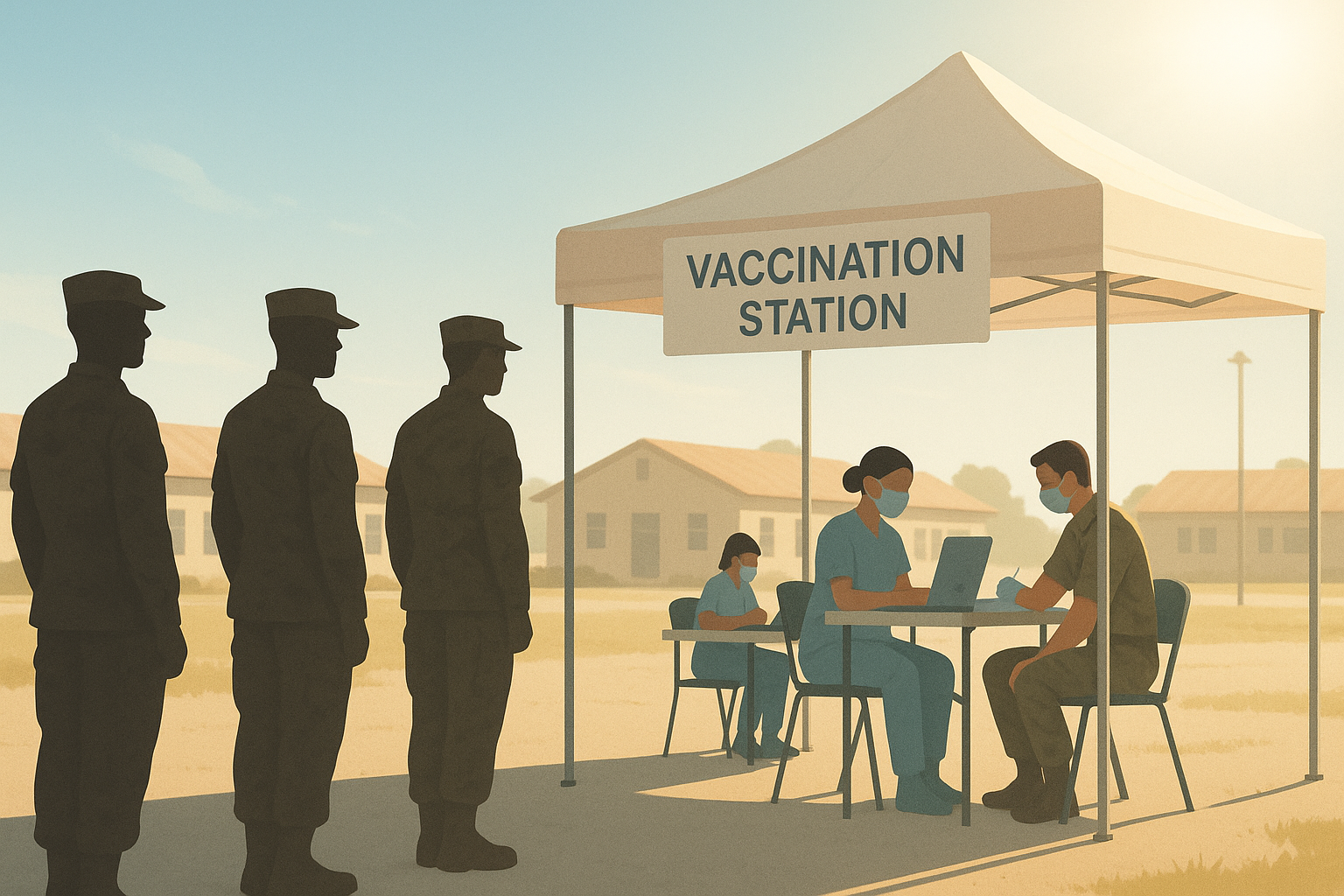
Influenza outbreaks on military facilities have long shaped how vaccines are used to protect personnel and maintain readiness. In recent context, reports described 222 recruits at a San Antonio base who contracted influenza, underscoring why vaccination policies are closely watched in training environments and on active bases. The goal is to reduce transmission, protect new entrants, and minimize downtime that could affect mission goals.
What is the military flu shot policy?
Across branches, the approach typically includes an annual flu vaccine offered to most service members and new recruits. The policy generally requires vaccination unless a medical or administrative exemption applies. Vaccines are usually provided through military health clinics or during basic training, and records are kept as part of a service member’s health documentation. The policy is designed to be practical and consistent, aligning with broader public health practices while recognizing the unique demands of military life.
Policies can vary slightly by branch or duty assignment, so individuals are advised to check their specific program or command guidance. In practice, health officials emphasize vaccination as a first line of defense against influenza, with exemptions handled through established medical review processes to ensure safety and readiness.
Why flu shots are emphasized in recruit settings
Recruits often train in crowded facilities, share bunks and mess halls, and participate in high-intensity activities that can spread respiratory infections quickly. A flu shot is a simple, proactive step to protect not just one person but the whole training cohort. Reducing flu cases helps keep schedules on track, preserves available training days, and lowers the risk of outbreaks that could disrupt unit cohesion or mission readiness.
Additionally, vaccination programs support vulnerable groups within bases, including personnel with underlying health conditions. When most people are vaccinated, the likelihood of a large outbreak decreases, which can lessen medical workload and preserve resources for other important health needs.
How outbreaks are managed on bases
Base health services typically monitor illness trends, provide vaccines, and issue guidance to reduce spread. When influenza cases rise, measures may include expanded vaccination campaigns, enhanced hygiene education, increased cleaning of common areas, and temporary adjustments to group activities. These steps aim to limit transmission while ensuring essential operations continue. In some cases, medical teams may recommend temporary restrictions for symptomatic individuals or those exposed to confirmed cases to protect others.
Outbreak management also involves surveillance and communication. Command structures work with medical staff to relay timely information about symptoms, vaccine availability, and any changes in daily routines. While specifics can vary, the underlying objective remains consistent: maintain readiness while safeguarding the health of the force.
What to know if you join or serve
If you are entering service or continuing a career in uniform, it helps to understand your branch’s vaccination expectations. Key steps often include checking official guidance, keeping an up-to-date vaccination record, and discussing any medical concerns with a healthcare provider. Exemptions may be possible for medical reasons or, in some cases, religious considerations, but these typically require formal review.
Practical tips for prospective and current service members include staying informed about vaccination timelines, preparing any necessary documentation in advance, and recognizing that health programs are designed to protect both individuals and units. If a vaccine is offered, participating is usually the simplest way to minimize illness risk and keep training and duties on track. When in doubt, consult medical staff or a unit supervisor for clarification on requirements and accommodations.
Common concerns about flu vaccines
Vaccination decisions can raise questions, and a balanced view helps. Here are some general points people often consider:
- Efficacy varies by year: vaccines target the strains predicted for a season, so effectiveness can differ from year to year.
- Side effects are usually mild: most people experience minor, short-lived symptoms if any at all.
- Do vaccines cause flu? The vaccines do not cause influenza in healthy individuals; complications are rare and typically mild when they do occur.
- Allergies and existing conditions: individuals with certain allergies or medical conditions should discuss vaccine suitability with a clinician.
People weighing vaccination often consider personal health history, risk of exposure, and the potential impact on training and duties. Open dialogue with a medical provider can help clarify benefits and any concerns within the context of duty requirements and base health policies.
Key Takeaways
- The military generally requires annual flu vaccination to protect readiness and health.
- Recruits training in close quarters are a focus for vaccination to prevent outbreaks on bases.
- Outbreak management combines vaccination campaigns, hygiene practices, and operational guidance to limit spread.
- Check branch-specific guidance and maintain vaccination records; exemptions exist in some cases.