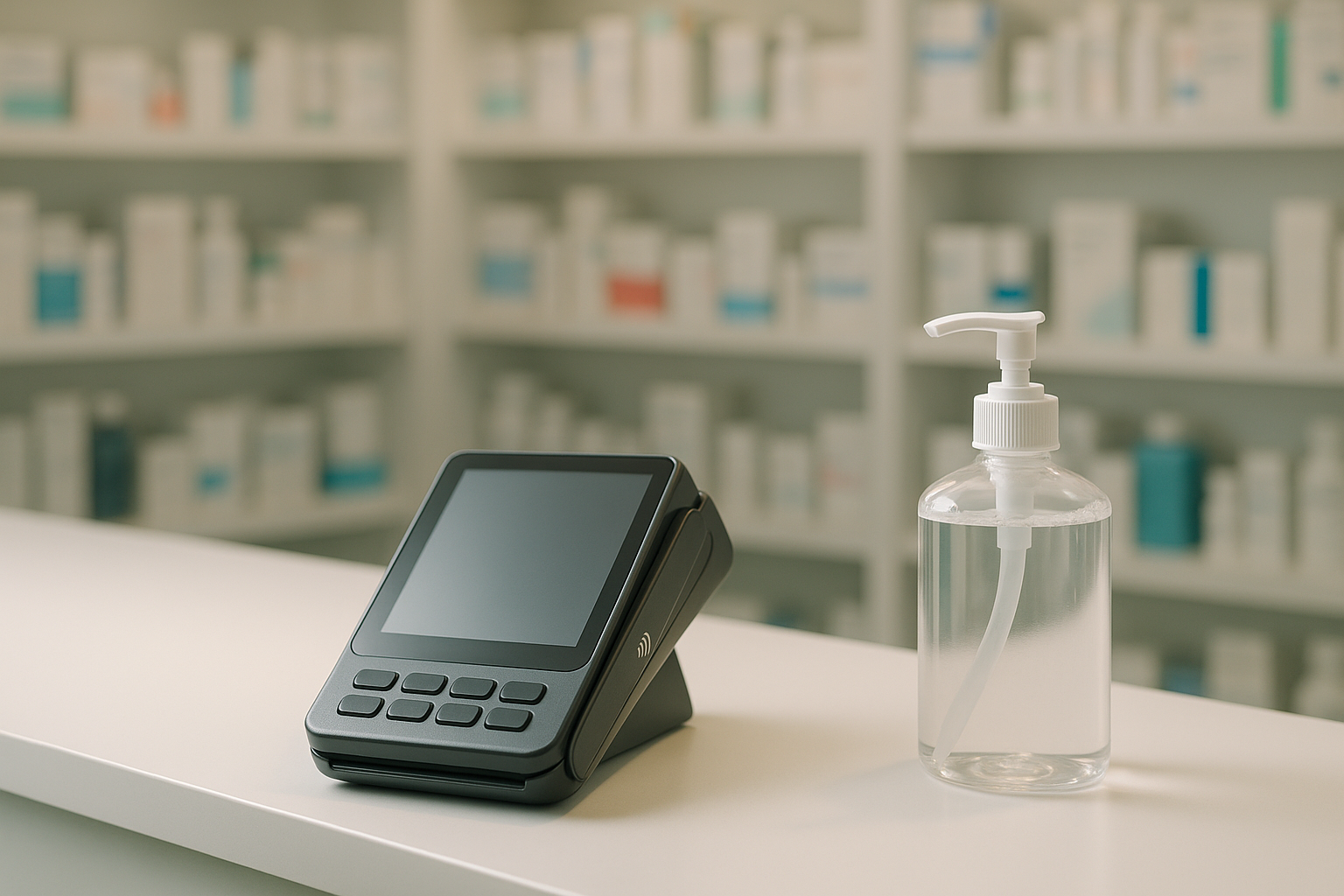
When patients check out at a chain pharmacy, they often touch the same payment pad as everyone else. This setup can feel gross to some and raise questions about cleanliness. Here’s a plain look at pharmacy payment screen hygiene, why it happens, and what can be done to make checkout feel safer for everyone.
What is pharmacy payment screen hygiene and why it matters
Pharmacy payment screen hygiene refers to how the checkout area, especially the payment pad or screen, is kept clean between customers. Surfaces that are touched by many people can pick up germs or grime, even when staff clean on a routine schedule. The goal is to minimize unnecessary exposure while keeping the transaction quick and easy for patients. While a single touch is unlikely to cause illness, frequent or crowded contact raises comfort concerns and can affect trust in a pharmacy’s everyday operations.
Good hygiene practices at the point of sale support a safe and respectful environment. They help reduce anxiety for patients who are already dealing with medical visits or illnesses. At its core, pharmacy payment screen hygiene is about consistent cleaning, accessible sanitation resources, and clear routines so customers feel confident their experiences are clean and orderly.
How touchpoints accumulate in a pharmacy visit
A typical checkout path involves several surfaces that may be touched in sequence. After handing over payment, a customer may touch or grab a receipt, pick up a bag, or touch a sign or pen used by the cashier. In many stores, the payment pad sits between the customer and the cashier, creating a shared surface that sees wide variability in cleaning frequency. Each of these points adds to the total number of touches in a single visit, especially during busy hours with long lines.
Even with routine cleaning, gaps can occur between customers. A touch screen that was cleaned hours ago might be in need of a quick wipe again before the next person uses it. That is why many pharmacies are moving toward strategies that reduce the overall number of shared touches and simplify the cleaning process for staff.
Practical steps to reduce shared touch risk in pharmacies
Pharmacies can adopt several practical measures to lower the risk of shared touches while keeping checkout efficient:
- Offer contactless payments whenever possible, such as tap-to-pay or mobile wallets, to minimize the need to touch the pad.
- Clean between customers with wipes or sanitizing spray on the keypad and screen after each transaction, following a documented routine.
- Provide sanitizers and reminders for customers and staff to use hands sanitizer before and after paying or handling receipts.
- Limit shared items by using disposable receipts when feasible and rotating pens if a pen must be used, or offering a stylus for the screen.
What patients can do to feel safer
There are simple steps patients can take to reduce their own risk and improve the checkout experience:
- Choose contactless payment options if available and convenient for you.
- Use hand sanitizer before and after checkout, especially during busy times.
- Avoid touching the payment pad more than necessary; if you must touch, consider using the back of a sleeve or knuckle instead of a fingertip.
- Look for visible cleaning cues, such as staff wiping the keypad between customers, and feel free to ask about the store’s cleaning practices if you’re concerned.
What pharmacies can do to improve practices
Pharmacies have an opportunity to set strong hygiene standards at the point of sale. Effective practices include formal cleaning schedules, staff training on sanitizing procedures, and clear signage so customers understand what to expect. In busy stores, automated or semi-automated solutions, like built-in sterilization cycles or dedicated handheld wipe dispensers, can help ensure consistent cleaning without slowing service. Clear policies around receipt handling and alternative payment methods can also support a smoother, safer checkout for all patients.
Key Takeaways
- Pharmacy payment screen hygiene involves cleaning and reducing shared touches at checkout.
- Contactless payments and routine cleaning boost safety and comfort for patients and staff.
- Both customers and stores play a role in improving safety at the point of sale.
- Visible hygiene practices can strengthen trust in a pharmacy visit.