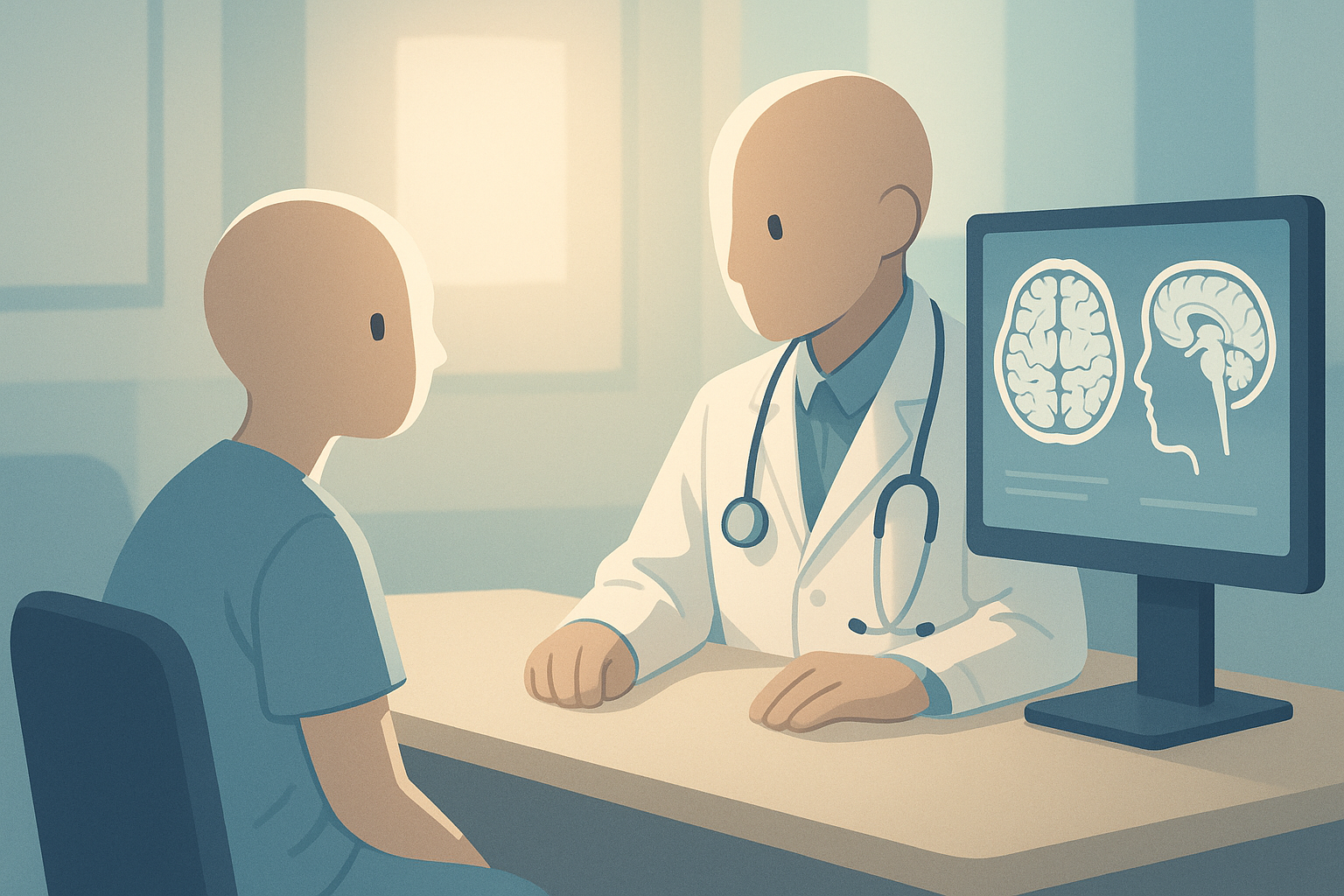
Shadowing a neurologist provides an up-close look at how brain-related conditions are evaluated and managed in a hospital setting. It emphasizes listening, observation, and professional behavior in real clinical moments. This guide explains what to expect, how to prepare, and how to make the most of the experience while respecting patients and staff.
What shadowing involves
Shadowing is observational. You watch rounds, patient interviews, and the decision-making process without performing exams or giving medical advice. You may follow residents, fellows, or attendings as they gather history, discuss findings, and plan tests or treatments. The setting is fast-paced and collaborative, with clear boundaries to protect patient privacy and safety.
Topics you may encounter
Neurology covers a broad range of topics. During shadowing you might see history taking, neurological examinations, imaging reviews, case discussions, and rounds. These experiences help connect core concepts to real-world patient care.
How to prepare for a shadowing day
Preparation helps you get value from each session. Reach out to the host supervisor to confirm access and rules, and define clear goals for what you want to observe. Prepare a few non-sensitive questions in advance and decide when it’s appropriate to ask them during the day. Review basic neurology terms so you can recognize common findings, but avoid guessing or interrupting the clinical flow.
Before you start
Clarify the schedule, the expected length of shadowing, and any required paperwork or training related to patient privacy. Make sure you understand what you are allowed to record or disclose and where you should store notes after the day ends.
On the day
Arrive on time, dress professionally, and carry a notebook or device for discreet note-taking. Introduce yourself to staff and ask permission before joining patient encounters. Keep your questions concise and ask them after a case discussion or during a designated Q&A period.
Etiquette and safety in clinical observation
Observing in medicine requires respect for patients and colleagues. Do not discuss identifiable patient information outside the care team, and avoid sharing photos or stories on social media. Treat all information as confidential, and follow the host site’s policies. If you see something you don’t understand, ask a supervisor rather than making assumptions, and stay out of clinical decisions unless invited to participate.
What to expect after the experience
After shadowing, take time to review notes, reflect on what you learned, and identify topics to study further. A brief debrief with your mentor can help you understand next steps and how to apply observations to your learning plan. Consider recording follow-up questions or seeking additional exposure in related areas such as imaging or neurophysiology.
Key Takeaways
- Shadowing a neurologist offers real-world exposure to neurology practice.
- Prepare goals, respect privacy, and ask thoughtful questions at appropriate times.
- Observation helps connect classroom knowledge to patient care.
- Follow up with mentors to plan the next steps in your learning path.