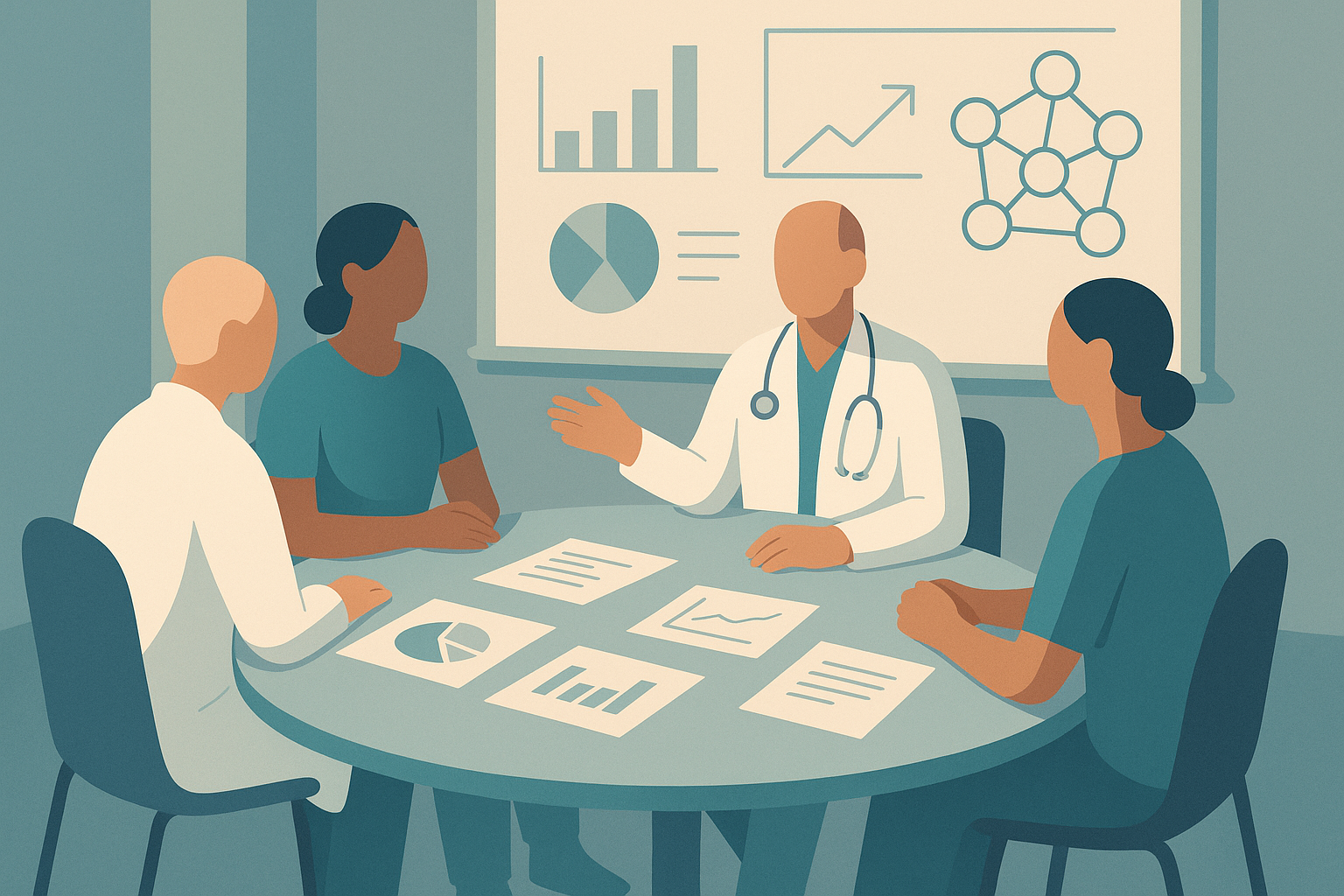
In fast-paced clinical settings, teams often encounter cross-disciplinary medical errors when someone applies knowledge from another field without full context. These moments aren’t about malice; they reveal gaps in communication, training, and shared mental models. By studying these experiences, healthcare teams can strengthen collaboration, protect patients, and cultivate humility across specialties.
Cross-disciplinary medical errors happen when a non-clinician or a clinician stepping outside their usual scope makes a decision that doesn’t align with established risk, evidence, or consent protocols. They are not unique to any one department, but they do tend to cluster under situations where expertise is assumed rather than checked. Recognizing the signs—hasty conclusions, unfamiliar jargon, or a failure to verify a recommendation with a trained clinician—can help teams pause and re-align before action is taken.
Cross-disciplinary medical errors in practice
In practice, these missteps often surface during handoffs, policy discussions, or during rapid-fire rounds where multiple disciplines intersect. A project outside the core clinical team might request a protocol change that inadvertently affects patient safety, or a member from another field might interpret a lab result or imaging finding through a nonclinical lens. The key is not to stigmatize but to create a process that catches misapplied knowledge before it translates into a decision that affects care.
Common scenarios where outsiders misinterpret medical context
Several patterns recur. First, a nonclinical staff member may push for a cost-saving measure or logistical change that overlooks patient risk. Second, an individual from outside medicine may reinterpret clinical data with an emphasis on efficiency rather than safety, leading to inappropriate modifications in monitoring or follow-up. Third, a misapplied guideline from another country or specialty can be cited in ways that ignore local practice standards, patient population, or legal constraints. Finally, jargon-heavy conversations without shared definitions can confuse teammates from different fields, making consensus hard to reach.
Lessons from near-misses and deliberate reflections
When near-misses occur, teams benefit from structured debriefs focused on systems rather than individuals. An honest review should identify where the knowledge gap existed, what checks failed, and which safeguards could have caught the error earlier. The goal is to translate a negative experience into durable changes—clear escalation paths, improved communication channels, and better documentation of decisions and assumptions. Over time, these reflections help reduce repeats of the same pattern and build trust across disciplines.
Strategies to reduce cross-field missteps
- Define roles and limits clearly at the start of collaborative projects.
- Require confirmation from a clinician or subject-matter expert for field-specific recommendations.
- Use plain-language summaries and checklists to document decisions and rationale.
- Document assumptions and obtain explicit consent when extending outside standard practice.
- Encourage regular cross-training, interdisciplinary rounds, and shadowing to build mutual understanding.
Fostering humility and effective collaboration
Humility is a shared responsibility. When team members acknowledge the limits of their own knowledge and value others’ expertise, communication improves and patient safety benefits. Leaders can foster this mindset by inviting question-led discussions, creating safe spaces to pause and verify, and rewarding collaborative problem solving over speed. A culture that welcomes diverse perspectives while maintaining clear safety nets tends to produce better outcomes for patients and staff alike.
Key Takeaways
- Cross-disciplinary medical errors highlight gaps in communication, not personal flaws.
- Clear roles, escalation processes, and expert verification reduce risk.
- Structured debriefs turn near-misses into learning and system improvements.
- Fostering humility and open dialogue supports safer, more effective teamwork.