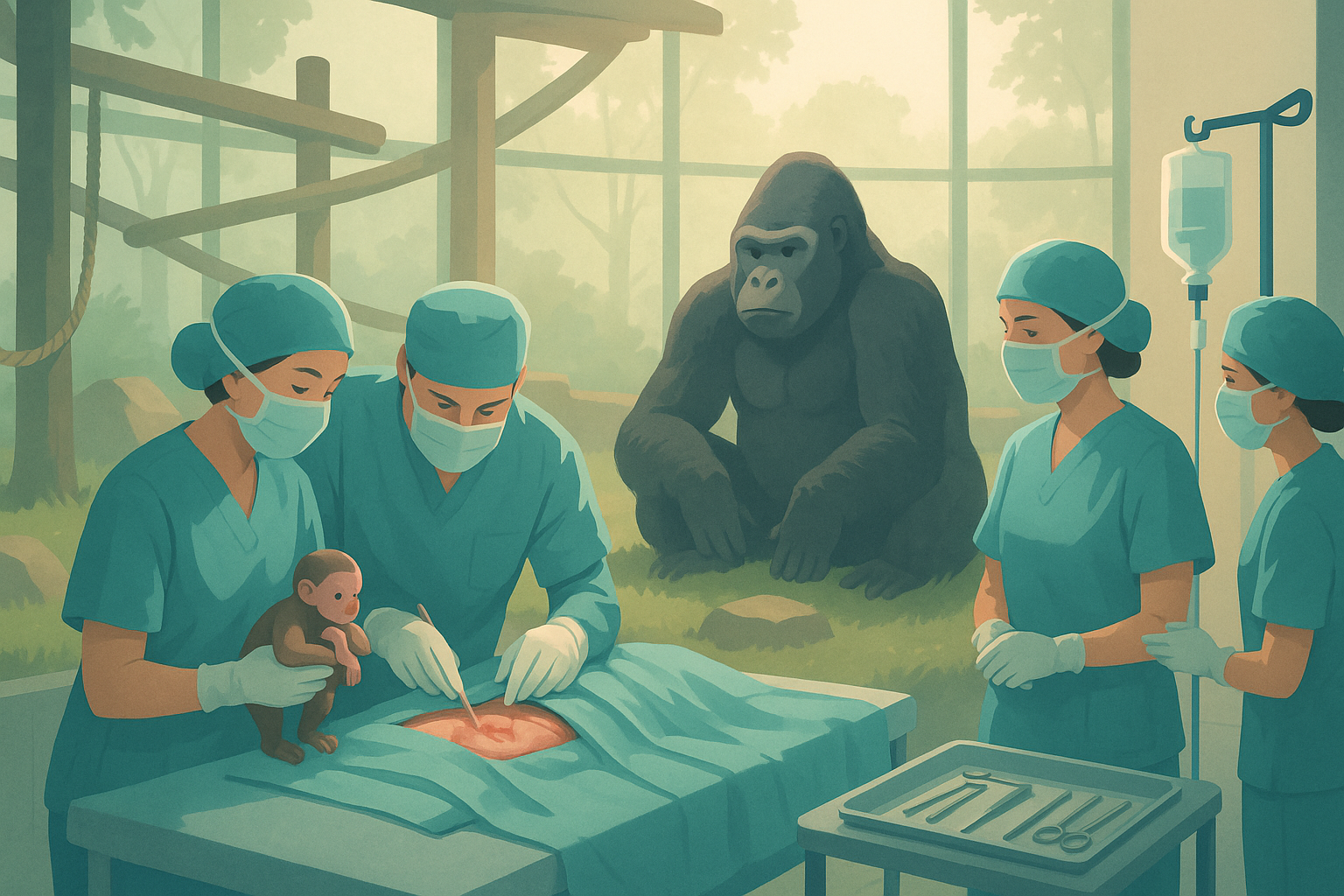
The gorilla C-section delivery involving Olympia at a major zoo marks a rare event in primate care. A multidisciplinary obstetrical and veterinary team coordinated to deliver the infant safely, then monitor both mother and newborn through the critical hours after birth. This article looks at what happened, why such procedures are used, and what it means for future primate births in managed care environments.
What happened during the birth
In a planned procedure, Olympia was prepared for anesthesia appropriate for a large primate, with a team ready to monitor vital signs throughout the operation. The surgical team performed an abdominal incision that minimized tissue stress while allowing access to the uterus. After the infant was delivered, clinicians assessed breathing, temperature, and tone, then addressed any immediate needs before closing the incision. The newborn was stabilized and briefly moved to a controlled recovery area while the mother recovered in a separate monitored space.
Why the gorilla C-section delivery was chosen
In captive settings, cesarean section is used when natural birth could put the mother or infant at risk. Decisions rely on veterinary assessment, imaging when available, and real-time observation of labor progress. The goal is to maximize the chances of a healthy outcome for both mother and infant while minimizing stress and risk. While gorilla births are rare, such procedures are considered when they offer welfare benefits based on the individual animal’s condition and gestational progress.
The care team and preparation
A successful birth like this depends on planning and teamwork. Here are common steps involved in preparing for a gorilla C-section delivery:
- Preoperative evaluation of the mother and fetus, including anesthesia planning
- Adapted sterile operating space suitable for a large primate
- Intraoperative monitoring of heart rate, blood pressure, and fetal status
- Immediate neonatal resuscitation and warmth support if needed
- Postoperative care for the mother, plus lactation and bonding support for the infant
What this means for future primate care
Events like this inform ongoing improvements in primate welfare at zoos. Teams review what worked, refine anesthesia protocols, and tune emergency readiness for future births. Staff training emphasizes rapid decision-making, humane handling, and a focus on minimizing stress for both mother and infant. The lessons extend beyond a single birth to broader protocols for surgical delivery, neonatal care, and postnatal monitoring in large primates.
What comes next for Olympia and the infant
Recovery for Olympia will involve close veterinary supervision, pain management, and nutrition planning to support healing and lactation. The infant will receive round-the-clock observation, warmth and feeding support, and developmental assessments to track milestones. Families and keepers in the care environment are typically involved in creating a safe, supportive routine that allows the mother and infant to bond and adapt to life after birth.
Key Takeaways
- The gorilla C-section delivery is a rare, carefully planned event that aims to protect both mother and infant.
- Multidisciplinary teams, including veterinarians and obstetric specialists, coordinate every step—from planning to recovery.
- Neonatal support and postnatal monitoring are essential to ensure a healthy start for the infant.
- Lessons from this birth help improve future primate care and surgical readiness in zoo settings.