Tag: medical-education

  • Clinical Year Book Prep: Top Reads for 4th Year Students

    Clinical Year Book Prep: Top Reads for 4th Year Students

    If you are heading into the clinical year, a thoughtful reading plan can help you build confidence for rounds, case discussions, and patient encounters. This guide focuses on practical reads, how to balance breadth with depth, and how to fit reading into a busy rotation schedule—an approach to clinical year book prep that many students find helpful.

    \n

    Clinical year book prep: choosing the right reads

    \n

    Curricula vary, but a core idea is universal: select resources that support bedside learning. A plan that aligns with your rotations helps you stay focused and avoid overload. Start by listing upcoming services and common presentations, then map reading to those topics so your books feel relevant to what you see on rounds.

    \n

    Core textbooks and quick references to consider

    \n

    Longer texts build a durable framework, while quick references keep essential facts within reach during busy days. The following titles are commonly used for a solid clinical foundation and on-shift reference:

    \n

      \n

    • Harrison’s Principles of Internal Medicine for foundational disease concepts and differential diagnoses.
    • \n

    • Current Medical Diagnosis and Treatment for practical guidance on presenting problems and general management.
    • \n

    • Bates’ Guide to Physical Examination and History Taking for step-by-step exam technique and patient assessment.
    • \n

    • Oxford Handbook of Clinical Medicine as a concise portable reference for quick consultations.
    • \n

    • Case Files: Internal Medicine for case-based review that mirrors clinical reasoning in real scenarios.
    • \n

    \n

    Rotation-focused reads that fit a busy schedule

    \n

    In addition to core texts, consider rotation-focused resources that reinforce what you see on service. Look for concise summaries, case-based questions, and formats designed for rapid reading. Limit yourself to two or three supportive formats so you can stay consistent across a whole rotation.

    \n

      \n

    • Concise case-based reviews that connect symptoms to management decisions.
    • \n

    • Portable handbooks or quick reference guides for on-shift use.
    • \n

    • Brief, structured notes or flashcard sets that target high-yield topics.
    • \n

    \n

    How to use books effectively during shifts

    \n

    Reading during clinical shifts requires practical strategies. Try these to make the most of limited time:

    \n

      \n

    • Set a 15- to 30-minute reading window after rounds to reinforce what you saw that day.
    • \n

    • Annotate key points in a dedicated notebook or in the margins of your book so you can review later.
    • \n

    • Link reading to real cases by noting differential diagnoses and management steps for each patient.
    • \n

    • Summarize one new concept in a brief paragraph you can share with a resident or attending.
    • \n

    \n

    Building a personal reading plan that sticks

    \n

    A sustainable plan balances goals, time, and reflection. Start with a simple framework and adjust as you gain experience:

    \n

      \n

    • Map rotations for the next 8-12 weeks and identify core topics you will see.
    • \n

    • Choose 2-3 core resources to follow consistently and a supplementary option for deeper dives.
    • \n

    • Block short reading sessions on your calendar and treat them like clinical duties.
    • \n

    • Keep a brief learning log: date, topic, a takeaway, and a question for follow-up.
    • \n

    • Review notes before each rotation change to refresh essential concepts and avoid gaps.
    • \n

    \n

    Key Takeaways

    \n

      \n

    • Plan reading around upcoming rotations to stay relevant and minimize overload.
    • \n

    • Prioritize core textbooks for durable understanding and quick references for on-shift use.
    • \n

    • Use short, focused study blocks and real-case notes to reinforce learning.
    • \n

    • Maintain a simple learning log to track progress and drive ongoing improvement.
    • \n

    • Be ready to adjust your plan as you gain clinical experience and curricula evolve.
    • \n

  • Physician Mentorship: Recognizing mentors who guide tomorrow

    Physician Mentorship: Recognizing mentors who guide tomorrow

    Mentorship has long been a cornerstone of medical training, and physician mentorship specifically guides new clinicians through complex skill sets, patient relationships, and career decisions. This kind of guidance helps learners stay grounded in core professional values while building the confidence needed to navigate a demanding field.

    What is physician mentorship?

    Mentorship in medicine typically involves a more experienced clinician offering guidance, feedback, and support to a less experienced learner. It goes beyond occasional advice and becomes an ongoing relationship focused on professional growth, clinical reasoning, and navigating the culture of medicine. A good mentor helps with decision making, career planning, work-life balance, and dealing with ethical challenges. The mentee stays active—setting goals, communicating needs, and following through—while the mentor shares knowledge, models professional behavior, and connects the mentee to opportunities.

    Why mentoring matters in medicine

    Mentoring can accelerate learning, broaden networks, and promote well-being in a demanding field. Mentees often report increased confidence, clearer career paths, and better strategies for handling difficult cases or navigating health systems. Mentors benefit too, gaining satisfaction from teaching, staying engaged with new ideas, and helping shape the profession’s future. A strong mentoring culture may also influence patient care by ensuring clinicians have guidance and support when decisions are tough.

    How to find a mentor

    Finding the right mentor takes time and intention. Start by clarifying goals—whether you want clinical sharpening, research opportunities, leadership skills, or career planning. Look for mentors in your department, residency or fellowship programs, or alumni networks. Reach out with a concise request, propose a short meeting, and be respectful of their time. Consider more than one mentor for different needs. A diverse set of mentors can offer complementary perspectives and guidance.

    • Define goals and the type of mentorship you want (clinical, research, career).
    • Identify potential mentors in your program, department, or professional networks.
    • Make a clear, respectful outreach request and propose a brief meeting.
    • Discuss expectations, time commitments, and preferred communication.
    • Foster a reciprocal relationship by sharing updates and expressing appreciation.

    Best practices for mentors and mentees

    Both sides should set expectations early. Regular, dependable meetings help maintain momentum. Mentors provide constructive feedback and model professional behavior; mentees come prepared with questions and goals. Respect confidentiality, boundaries, and busy schedules. A healthy mentoring relationship includes mutual learning—the mentor gains fresh insights from the mentee, and the mentee benefits from the mentor’s experience.

    Fostering inclusive mentorship

    Inclusive mentorship programs acknowledge diversity and address barriers that underrepresented groups may face. Mentors should create welcoming spaces, actively seek diverse mentees, and check for bias in guidance or opportunities. Institutions can support inclusive mentorship with training, protected time, and formal referral networks. When mentorship is inclusive, more clinicians feel empowered to grow and contribute to patient care, research, and education.

    Key Takeaways

    • Mentorship is a collaborative, ongoing relationship that supports growth in medicine.
    • Finding the right mentor requires clear goals and proactive outreach.
    • Regular communication and mutual respect strengthen mentoring bonds.
    • Inclusive mentoring expands opportunities for a diverse range of clinicians.
    • A strong mentorship culture benefits patients, trainees, and the profession as a whole.
  • Surgical Resident Burnout From Unplanned Consults Today

    Surgical Resident Burnout From Unplanned Consults Today

    Hospitals often rely on surgical residents to juggle operating room duties, ward rounds, and urgent tasks. A recurring challenge is being asked to take on new consults when they should be focusing on a planned rotation. This pattern can affect learning, wellbeing, and patient care.

    What unplanned consults look like in practice

    Unplanned consults arrive by phone or pager, frequently during shift changes or late at night. Residents may be asked to evaluate patients from other services, sometimes outside their surgical area. The requests can disrupt planned rounds, operative schedules, and dedicated study time, creating a tight, stressful workflow.

    Why this happens

    Hospitals face crowded wards, staffing gaps, and high patient turnover. A culture of “always helping out” can push residents to cover extra work beyond their formal responsibilities. Duty-hour policies aim to safeguard learners, but gaps in coverage and unclear ownership of consults can leave residents juggling tasks with limited supervision.

    Effects on residents and patients

    Frequent unplanned consults can contribute to burnout, sleep disturbance, and decreased focus. Learners may have less time for formal teaching, research, and reflection. For patients, rapid triage and careful decision-making can be compromised if a resident is fatigued or multitasking across services.

    Practical approaches to reduce strain

    Programs and departments can take steps to balance service needs with trainee education and safety. Implementing clear processes and supportive supervision helps protect both residents and patients.

    • Establish clear consult ownership and escalation pathways to avoid duplication and gaps.
    • Protect dedicated learning time and limit non-urgent consults during busy blocks.
    • Ensure appropriate supervision, with senior clinicians available for guidance when consults come in.
    • Balance coverage by using mid-level providers or mutually staffed on-call teams.
    • Standardize handoffs and consult documentation to speed up triage and reduce confusion.
    • Monitor workload and outcomes to identify bottlenecks and track improvement over time.

    Key takeaways

    • Unplanned consults can contribute to surgical resident burnout if not managed carefully.
    • Clear ownership, protected learning time, and proper supervision help protect learners and patients.
    • Systemic changes—staffing, policies, and better handoffs—are essential for sustainable care delivery.
  • Reforming medical school research culture for learning

    Reforming medical school research culture for learning

    In medical education, the medical school research culture shapes how trainees learn, how they speak up about errors, and how they balance patient care with discovery. The environment around research can influence mentorship quality, reporting practices, and long term career paths. This piece outlines why changes are being discussed and what a healthier culture could look like in practice.

    Why the culture needs change

    Today, pressure to publish and secure funding can tilt priorities toward flashy results rather than solid learning. Mentorship gaps and a rigid hierarchy can leave trainees feeling unheard, isolated, or overworked. When research is treated as a side task rather than an integrated part of medical training, important questions about patient impact, ethics, and reproducibility drift to the background.

    What needs to change

    To move toward a healthier culture, programs can adopt several core changes. The following ideas emphasize learning, fairness, and accountability across the research lifecycle.

    • Align research with clinical learning
    • Improve mentorship training and accountability
    • Prioritize trainee wellbeing and reasonable workloads
    • Promote transparency, ethics, and reproducibility
    • Expand access and diversify opportunities

    Practical steps for programs and mentors

    Institutions can create protected time for research, clear mentorship expectations, and structured support for project design and data handling. Mentors should receive training in giving constructive feedback, recognizing sponsorship, and fostering inclusive environments. When guidance is consistent, trainees can build confidence rather than fear of failure.

    Balancing research with clinical training

    Effective programs try to weave research projects into clinical rotations rather than treating them as separate add-ons. This approach helps learners see real patient impact and develop skills that transfer to practice. It also supports better scheduling, reduces burnout, and reinforces ethical standards.

    What students can do

    Seek programs that offer transparent mentorship, mental health support, and clear authorship policies. Ask about workload expectations and how research activities align with clinical duties. By choosing environments that value learning and wellbeing, students can pursue discovery without sacrificing patient care.

    Key Takeaways

    • The health of research culture affects learning and wellbeing.
    • Change requires effort from programs, mentors, and trainees.
    • Prioritize mentorship, transparency, and balance between work and study.
    • Align research with clinical training to benefit patient care.
  • Probationary NICU Attending: Managing Level II Limits

    Probationary NICU Attending: Managing Level II Limits

    Starting as a probationary NICU attending can feel daunting when you’re limited to level II patients. The probationary period is about learning the team, the hospital’s workflows, and how to balance autonomy with supervision. Keeping patient safety at the center, you can use this time to shore up communication, set clear expectations with colleagues, and build a foundation for broader responsibilities later.

    Understanding the probationary period and level II limits

    In many NICU settings, new attendings begin with a defined scope that emphasizes mentorship and safety. Level II care involves a specific subset of cases and procedures, and the rules about what you can perform or adjust are spelled out in hospital policy and supervision agreements. During this phase, the goal is to learn the local workflow, demonstrate reliability, and show you can function well within the team’s structure.

    Discuss your scope openly with your supervisor early on. Understanding escalation pathways, who can authorize tests, and when to request a second opinion helps you navigate daily decisions without overstepping boundaries. This clarity saves time and protects patient safety while your experience grows.

    Key priorities while operating within Level II scope

    Within Level II limits, patient care hinges on thorough handoffs, timely communication, and accurate documentation. Maintain a calm approach during rounds, verify orders, and ask clarifying questions when something feels uncertain. Consider a simple daily checklist for cases appropriate to Level II, opportunities to observe, and clear triggers for escalation.

    In practice, this means prioritizing tasks that are within your current scope, while using every interaction as a chance to learn. Regularly review patient charts, double-check critical data, and confirm with the team that every plan aligns with the unit’s protocols. This disciplined approach supports steady growth without compromising safety.

    • Clarify escalation thresholds with your supervising team
    • Document decisions clearly and promptly
    • Schedule regular check-ins to review progress

    Teamwork, communication, and escalation paths

    Strong teamwork is essential when practicing in a restricted scope. Build relationships with the Level II nurses, respiratory therapists, pharmacists, and other specialists. Communicate early about concerns, plan handoffs carefully, and know when to seek advice from a senior attending. If a case falls outside your comfort zone, normalize asking for a quick second opinion or a collaborative review during rounds.

    Fostering a culture of easy, respectful communication helps the whole team function more smoothly. Document important conversations and decisions so everyone stays aligned. When in doubt, leaning on the team’s collective expertise is safer for patients and can accelerate your learning curve.

    Setting goals, seeking feedback, and documenting progress

    Set concrete, time-bound goals for the probationary period. For example, aim to lead a specific type of daily round or to complete a certain number of patient handoffs without missing information. Request weekly or biweekly feedback from your mentor or supervising physician, and keep a simple log of what you learned and what requires more attention. Tracking progress helps demonstrate accountability and growth.

    Use this documentation to guide ongoing conversations with your supervisor. A transparent record of progress can support requests for expanded responsibilities as you demonstrate competence and consistency. Remember that growth often comes from steady practice rather than quick leaps in autonomy.

    Mentorship and resources

    Mentorship matters during this phase. Seek a named mentor who can guide you through the Level II landscape, share tips on prioritizing tasks, and provide constructive feedback. Look for formal or informal sources such as rounds, case reviews, or recommended reading. If you encounter a situation that prompts questions about scope, note it and bring it to a mentor for discussion, rather than deciding in isolation.

    Take advantage of any available training modules, checklists, or unit-specific protocols. Even small, consistent improvements can compound over the probationary period and prepare you for broader responsibilities in the future.

    Key Takeaways

    • Stay within defined scope while actively seeking growth opportunities
    • Prioritize clear communication and meticulous documentation
    • Establish regular feedback and mentorship connections
    • Know escalation paths and when to involve senior staff
  • A Diagnostic Dilemma: A Stymied Case Review for Clinicians

    A Diagnostic Dilemma: A Stymied Case Review for Clinicians

    When a patient presents with puzzling symptoms, clinicians may feel completely stymied. A structured approach to a diagnostic dilemma helps organize data, avoid premature conclusions, and keep patient safety central. This article outlines a practical framework for navigating uncertainty and planning the next steps.

    Understanding the Diagnostic Dilemma

    Puzzling cases often arise when symptoms overlap, tests yield conflicting results, or the history is incomplete. The first goal is to clearly restate the problem, identify missing information, and separate what is known from what remains uncertain. Recognizing the boundaries of certainty helps prevent hasty conclusions and keeps investigation grounded in what can be verified.

    In many scenarios, initial impressions can be influenced by recent experiences or what seems most common. A careful re-check of vital signs, physical findings, and the timeline of events can reveal gaps that, once filled, point toward a different path or confirm a stubborn outlier.

    Broadening the Differential

    A broad differential includes common conditions, atypical presentations, and potential rare diagnoses. Listing possibilities without bias creates a map to test selection and interpretation. Prioritize by likelihood and urgency, while also considering how each possibility would change management if confirmed. A deliberate, evolving differential helps prevent tunnel vision when data are inconclusive.

    As data accumulate, clinicians should iteratively test whether each item on the list remains plausible, adjusting expectations in light of new information. This approach reduces the risk of missing important clues and supports safer decision-making.

    Biases and How to Counter Them

    Cognitive biases can narrow thinking, such as anchoring to an initial diagnosis, availability bias from memorable cases, or premature closure when uncertainty remains. Countermeasures include using checklists, documenting the differential explicitly, and seeking a second opinion or multidisciplinary input. Regularly revisiting the original question and reframing the problem can re-open avenues that were prematurely closed.

    Collaborative Approaches and Next Steps

    In difficult cases, teamwork matters. Structured case reviews, scheduled discussions, and early involvement of specialists can provide new perspectives. Clear communication of the current working diagnosis, uncertainty, and the planned next steps helps align the team and the patient’s care plan.

    When appropriate, clinicians should consider noninvasive, stepwise testing or imaging strategies that are low risk but informative. A plan for close follow-up, with defined triggers for escalation, helps ensure patient safety even when certainty is not yet achieved.

    Documenting Uncertainty and Patient Safety

    Thorough documentation of the reasoning process, the working differential, and the rationale for each test is essential. Communicating uncertainties to patients and families—along with the plan for review and follow-up—is a core component of safe care. Documentation should include what remains uncertain, what data are needed, and who will review the case if conditions change.

    Practical steps to move forward

    • Clarify the clinical question and identify missing information that would resolve it.
    • Reassess history and examination for clues that may have been overlooked.
    • Review prior tests and consider repeat or alternative investigations if results are discordant.
    • Develop a broad differential and a test plan that distinguishes high-priority possibilities.
    • Seek input from colleagues or a multidisciplinary team when uncertainty remains.

    Key Takeaways

    • A diagnostic dilemma benefits from a structured, methodical approach rather than impulse.
    • Expanding the differential and using targeted testing reduces the risk of missed or misinterpreted diagnoses.
    • Collaboration, checklists, and clear documentation support safe, patient-centered care in uncertain cases.
  • Effective Medical Analogies: How to Explain Complex Concepts

    Effective Medical Analogies: How to Explain Complex Concepts

    Effective medical analogies are a staple in health education, helping students and patients grasp ideas that aren’t immediately obvious. The right comparison can bridge gaps between everyday experience and scientific detail. But with any metaphor, the key is balance: it should illuminate without oversimplifying or misrepresenting. In this article, we explore how to choose and tailor analogies, why some work better than others, and how to craft explanations that stand up to scrutiny.

    What counts as an analogy in medicine

    An analogy is a deliberate comparison that transfers structure from a familiar domain to a medical concept. The goal is to map features that are actually relevant to the idea you’re teaching—so learners see connections rather than recall isolated facts.

    Structure and scope

    Analogy mapping has a source domain (the familiar) and a target concept (the medical idea). The strongest analogies align core mechanisms and relationships, not just surface similarities. At the same time, it’s important to signal what the analogy does not claim to cover to avoid confusion.

    Common analogy types for medical explanations

    Educators often rely on a few broad families of comparisons. Circuit-like models simplify how signals travel through systems. A plumbing analogy can illustrate blood flow and blockages. Weather or forecast metaphors help describe disease progression and uncertainty. Sports or coaching terms can frame rehabilitation and recovery timelines.

    Choosing the right domain

    Pick a source you expect your audience already understands, and ensure it shares essential relationships with the target concept. If the analogy risks implying something incorrect (for example, that all signals travel in a straight line), adjust the scope or use a different comparison.

    When analogies help and when they mislead

    Analogies shine at the start of learning: they build intuition and spark questions. They can, however, flatten complexity or create misleading impressions about mechanisms. If a metaphor suggests a simplistic one-way cause or guarantees, it’s time to pause and add nuance or a limit statement.

    Always check for misinterpretations by asking learners what the analogy implies about, say, timing, reversibility, or feedback. If gaps emerge, you can refine the metaphor, add a clarifying note, or switch to a different comparison.

    Crafting effective analogies: practical tips

    To design powerful analogies, keep a few guiding steps in mind. The following checklist helps ensure accuracy and clarity:

    Identify the core concept you want to convey and your audience’s prior knowledge. Choose a familiar domain with structural similarities to the target concept. Align key features and relationships, not just surface details. State the limits of the analogy up front and remind learners where it does not apply. Use concise language and avoid jargon that can obscure meaning. Test the analogy with questions to reveal potential misinterpretations. Sometimes a quick visual, like a simple diagram, can reinforce the metaphor and improve retention.

    Applying analogies in teaching and patient education

    In classrooms and clinics, analogies work best when they invite questions rather than close the discussion. Pair metaphors with visuals, brief demonstrations, or real-world examples to anchor understanding. It is also valuable to tailor the metaphor to the audience’s cultural and educational background, ensuring relevance without excluding learners.

    For patient education, analogies should support informed decisions and promote health literacy. They are tools for conversation, not substitutes for medical explanations. When used thoughtfully, they help people grasp why a treatment or test matters and what to expect in terms of timelines or outcomes.

    Key Takeaways

    • Effective medical analogies illuminate core mechanisms while avoiding oversimplification.
    • Choose familiar source domains that share essential relationships with the target concept.
    • Always state the limits of an analogy to prevent misinterpretation.
    • Test analogies with questions and complement them with visuals or demonstrations.
    • Tailor metaphors to the audience to enhance relevance and understanding.
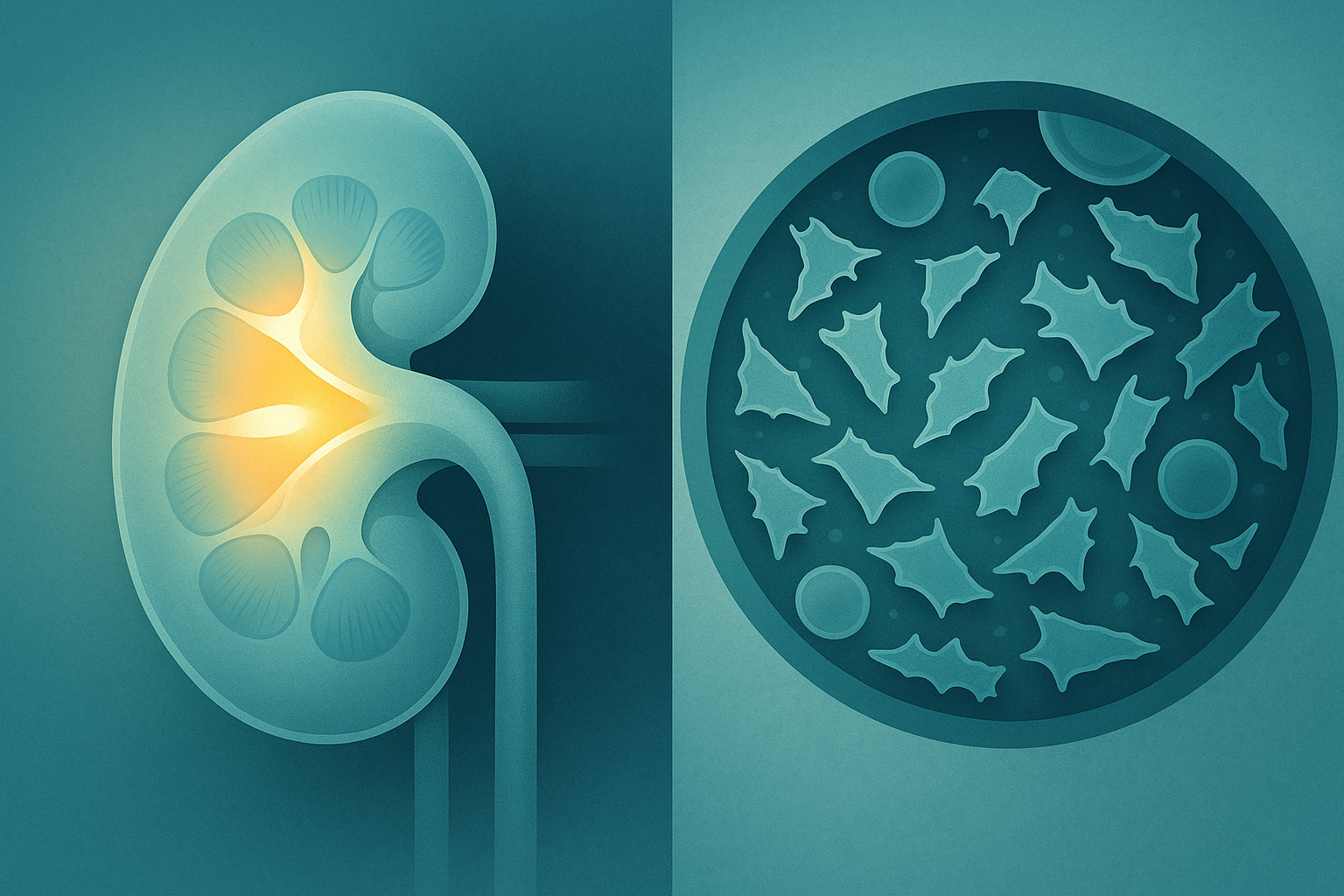
  • Contrast nephropathy vs HUS Clear distinctions for clinicians

    Contrast nephropathy vs HUS Clear distinctions for clinicians

    Distinguishing contrast nephropathy from Hemolytic Uremic Syndrome (HUS) is a common clinical challenge after exposure to contrast media or in patients with acute kidney injury. Both conditions can present with worsening kidney function, but they have different causes, lab features, and management considerations. This overview highlights the key differences clinicians rely on in real-world practice.

    What is contrast nephropathy?

    Contrast nephropathy, also called contrast-induced nephropathy (CIN), describes kidney injury that follows the administration of iodinated contrast agents used for imaging. The injury is typically transient, with creatinine rising within 24-72 hours after exposure and often recovering over days to weeks in many patients. Risk factors include preexisting kidney disease, diabetes, dehydration, advanced age, heart failure, and use of other nephrotoxic medications. The pathogenesis is thought to involve reduced renal blood flow and direct tubular toxicity from the contrast agent.

    • Preexisting chronic kidney disease
    • Diabetes mellitus
    • Volume depletion or dehydration
    • Older age and heart failure
    • Concurrent nephrotoxic drugs

    What is Hemolytic Uremic Syndrome?

    HUS is a microangiopathic illness that can cause red blood cell destruction, low platelets, and kidney injury. The classic triad includes microangiopathic hemolytic anemia, thrombocytopenia, and acute kidney injury. HUS most often follows certain bacterial infections that produce Shiga toxin, but it can also arise from complement disorders or other triggers. The illness can progress rapidly, so clinicians monitor for signs of systemic involvement and kidney dysfunction. Laboratory clues may include schistocytes on blood smear, low haptoglobin, elevated LDH, and falling platelets.

    Unlike CIN, HUS reflects widespread microvascular injury and a hematologic process rather than a reaction to a contrast agent. Early recognition supports timely multidisciplinary care, which may involve nephrology and hematology teams depending on the subtype and trigger.

    How to tell them apart in practice

    Clinical clues and timing are essential in differentiating CIN from HUS. After contrast exposure, CIN typically shows a rise in creatinine with minimal hematologic abnormalities and no evidence of schistocytes. HUS presents with anemia and low platelets, along with signs of microangiopathy. Additional cues include the timing of illness, a history of diarrheal illness or toxin exposure (common with shiga toxin–producing bacteria), and specific laboratory results. A careful exam and targeted tests help differentiate these conditions.

    • Timing relative to contrast administration versus infectious illness
    • CBC with differential and peripheral smear for schistocytes
    • Platelet count, LDH, haptoglobin, bilirubin levels
    • Creatinine trend and urine output patterns
    • Urinalysis and imaging findings as needed

    Why accurate classification matters

    Correct classification influences how clinicians approach management and monitoring. CIN is usually managed with supportive care, careful fluid balance, avoidance of further nephrotoxic exposures, and planning for future imaging with safer strategies if possible. HUS requires broader evaluation for underlying triggers and may involve plasma exchange in certain subtypes, along with supportive care for the kidneys and other affected organs. Clear diagnosis helps guide specialists’ decisions on testing, therapies, and follow-up care.

    Key takeaways

    • Contrast nephropathy vs HUS are distinct causes of acute kidney injury with different signs and triggers.
    • Timing after contrast exposure and hematologic findings are often the most helpful clues.
    • Laboratory tests such as CBC, smear, LDH, haptoglobin, and creatinine trend are important for differentiation.
    • Management depends on the correct diagnosis and may involve multidisciplinary care.
    • Early recognition supports appropriate imaging planning and targeted treatment decisions.
  • Strategies for Medical Residency Interview Questions

    Strategies for Medical Residency Interview Questions

    Preparing for medical residency interview questions can feel daunting, but a practical plan helps you prepare. This guide highlights common question types, practical ways to respond, and tips to present your best professional self.

    Interviews aim to assess more than medical knowledge. Programs look at how you think under pressure, your teamwork and leadership experiences, and how you approach patient care and ethics. Being ready to share concise stories that illustrate your values can help you stand out in a positive way.

    What these questions aim to assess

    Most residency interviews gauge communication skills, clinical judgment, resilience, and fit with the program culture. They also provide a window into your problem-solving approach and your ability to collaborate with a team. A strong answer shows you can reflect on experiences, acknowledge limitations, and learn from outcomes.

    Common categories of questions

    Many questions fall into a few broad groups. Recognizing these helps you prepare structured responses rather than memorized lines.

    • Tell me about yourself and your journey into medicine
    • Why medicine and why this specialty or program
    • Strengths, weaknesses, and how you handle feedback
    • Teamwork, leadership, and conflict resolution
    • Clinical reasoning and ethical scenarios
    • Stress management, time management, and work-life balance

    Sample prompts you might see

    • Tell me about yourself in two minutes.
    • What motivates you to pursue this specialty?
    • Describe a time you faced a challenge on a clinical team and how you responded.
    • How would you handle a disagreement with a supervisor about patient care?

    How to craft strong, authentic responses

    Use a simple, repeatable structure to keep answers focused. A common approach is the STAR method: Situation, Task, Action, Result. Begin with a concise setup, describe your actions clearly, and end with what you learned or how you would apply it in the future.

    Link your stories to qualities programs value, such as teamwork, reliability, curiosity, and patient-centered care. Avoid overly long anecdotes; aim for 1–2 minutes per question, with a clear takeaway for each story. Practice aloud with a trusted friend or mentor and request feedback on clarity, tone, and authenticity.

    Practice, delivery, and day-of tips

    Practice helps, but delivery matters just as much. Focus on pace, eye contact when appropriate, and a calm tone. If you stumble, pause briefly, summarize your point, and continue. Be honest about limits if you don’t know an answer, and demonstrate a plan for how you would learn or consult a supervisor.

    Before the interview, prepare a short personal summary and a few adaptable examples. Bring a notebook with questions for the interviewer to show your genuine interest in the program. Afterward, send a brief thank-you note that reinforces your fit and appreciation for the opportunity.

    What to bring and after-interview follow up

    Pack light but complete. Bring multiple copies of your CV, a list of references, and any required documents. Have a plan for how you’ll access information about programs and interviews if technology isn’t reliable. After the interview, reflect on what went well and what could improve for next time, and schedule any follow-up items promptly.

    Key Takeaways

    • Focus on clear, concise stories that illustrate core strengths.
    • Link responses to program values like teamwork and patient-centered care.
    • Use a simple structure to organize answers and practice aloud.
    • Prepare adaptable examples and thoughtful questions for interviewers.
    • Remain honest about limits and show a plan to learn and improve.
  • Older Medical Student Graduates, Starts Residency at 73

    Older Medical Student Graduates, Starts Residency at 73

    Becoming a doctor later in life is more common than many realize. An older medical student may bring patient-centered wisdom, life experience, and resilience to demanding training. This narrative centers on a 72-year-old woman who graduates from medical school and begins residency at 73, a milestone that challenges stereotypes and expands ideas about who can train as a physician.

    What makes an older medical student unique

    Phase of life, prior careers, and personal experiences influence how students approach learning, exams, and clinical rotations. An older medical student often blends lifelong communication skills with a strong sense of purpose. This combination can help in building rapport with patients and teammates, even as the rigors of medical training remain significant.

    Planning and preparation for late-life medical studies

    Entering medical education later in life typically requires careful planning. Financial considerations, schedule flexibility, and reinforcing health and wellness are all important. Prospective students may explore options such as accelerated or flexible programs, part time tracks, or staged clinical experiences to balance life responsibilities with study demands.

    Guidance for planning includes assessing resources, researching program flexibility, building mentorship networks, and developing study plans that fit energy levels and routines. Addressing practical needs early helps reduce stress later in training.

    Starting residency at 73: practical considerations

    Residency is intense regardless of age. An older resident often brings efficiency, focus, and a collaborative mindset but may encounter physical demands and scheduling constraints. Institutions increasingly recognize diversity in age and background, and programs may provide accommodations or mentoring to support continued growth.

    Support, mentorship, and community

    Strong support makes a difference. Family, peers, and institutional resources can help with navigation through exams, rotations, and the challenging transition from student to practicing physician. Communities that value lifelong learning, wellness programs, and peer groups can foster resilience and reduce stress during late-life training.

    Impact on patients and the profession

    Patients may benefit from physicians who have deep life experience and a broad perspective on health, aging, and social factors affecting care. The decision to pursue medicine at an advanced age can inspire others to pursue ambitious goals and highlight the importance of patient-centered approaches in medical education and practice.

    Key Takeaways

    • Late-life medical study is possible with planning and support
    • Mentorship and resilience are valuable assets
    • Programs vary; seek flexible options and resources
    • Continual learning can enrich patient care and professional growth