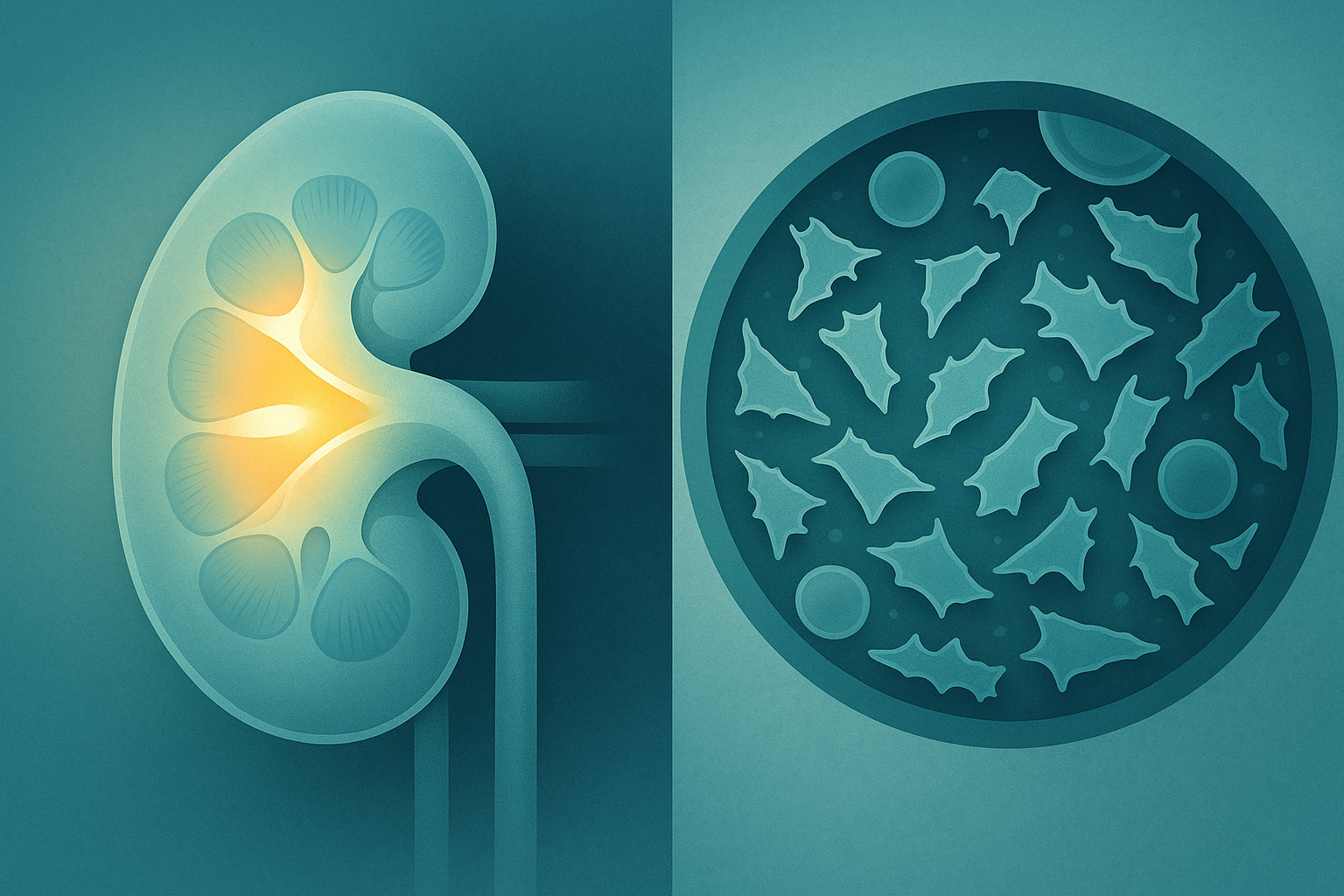
Distinguishing contrast nephropathy from Hemolytic Uremic Syndrome (HUS) is a common clinical challenge after exposure to contrast media or in patients with acute kidney injury. Both conditions can present with worsening kidney function, but they have different causes, lab features, and management considerations. This overview highlights the key differences clinicians rely on in real-world practice.
What is contrast nephropathy?
Contrast nephropathy, also called contrast-induced nephropathy (CIN), describes kidney injury that follows the administration of iodinated contrast agents used for imaging. The injury is typically transient, with creatinine rising within 24-72 hours after exposure and often recovering over days to weeks in many patients. Risk factors include preexisting kidney disease, diabetes, dehydration, advanced age, heart failure, and use of other nephrotoxic medications. The pathogenesis is thought to involve reduced renal blood flow and direct tubular toxicity from the contrast agent.
- Preexisting chronic kidney disease
- Diabetes mellitus
- Volume depletion or dehydration
- Older age and heart failure
- Concurrent nephrotoxic drugs
What is Hemolytic Uremic Syndrome?
HUS is a microangiopathic illness that can cause red blood cell destruction, low platelets, and kidney injury. The classic triad includes microangiopathic hemolytic anemia, thrombocytopenia, and acute kidney injury. HUS most often follows certain bacterial infections that produce Shiga toxin, but it can also arise from complement disorders or other triggers. The illness can progress rapidly, so clinicians monitor for signs of systemic involvement and kidney dysfunction. Laboratory clues may include schistocytes on blood smear, low haptoglobin, elevated LDH, and falling platelets.
Unlike CIN, HUS reflects widespread microvascular injury and a hematologic process rather than a reaction to a contrast agent. Early recognition supports timely multidisciplinary care, which may involve nephrology and hematology teams depending on the subtype and trigger.
How to tell them apart in practice
Clinical clues and timing are essential in differentiating CIN from HUS. After contrast exposure, CIN typically shows a rise in creatinine with minimal hematologic abnormalities and no evidence of schistocytes. HUS presents with anemia and low platelets, along with signs of microangiopathy. Additional cues include the timing of illness, a history of diarrheal illness or toxin exposure (common with shiga toxin–producing bacteria), and specific laboratory results. A careful exam and targeted tests help differentiate these conditions.
- Timing relative to contrast administration versus infectious illness
- CBC with differential and peripheral smear for schistocytes
- Platelet count, LDH, haptoglobin, bilirubin levels
- Creatinine trend and urine output patterns
- Urinalysis and imaging findings as needed
Why accurate classification matters
Correct classification influences how clinicians approach management and monitoring. CIN is usually managed with supportive care, careful fluid balance, avoidance of further nephrotoxic exposures, and planning for future imaging with safer strategies if possible. HUS requires broader evaluation for underlying triggers and may involve plasma exchange in certain subtypes, along with supportive care for the kidneys and other affected organs. Clear diagnosis helps guide specialists’ decisions on testing, therapies, and follow-up care.
Key takeaways
- Contrast nephropathy vs HUS are distinct causes of acute kidney injury with different signs and triggers.
- Timing after contrast exposure and hematologic findings are often the most helpful clues.
- Laboratory tests such as CBC, smear, LDH, haptoglobin, and creatinine trend are important for differentiation.
- Management depends on the correct diagnosis and may involve multidisciplinary care.
- Early recognition supports appropriate imaging planning and targeted treatment decisions.
Leave a Reply